Medical College Students in Jammu and Kashmir Face Uncertain Future
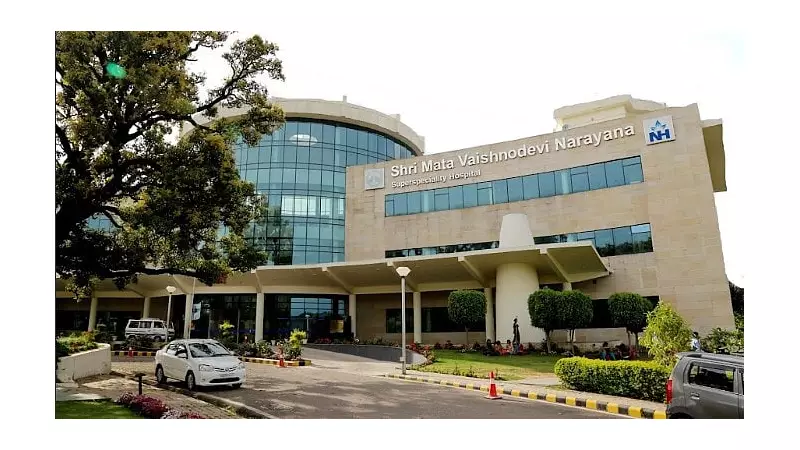
The academic future of students enrolled at Shri Mata Vaishno Devi Medical College (SMVDMC) has been plunged into uncertainty following official confirmation that fresh counselling sessions will not be conducted. This development has left numerous aspiring medical professionals in a state of limbo, raising concerns about their educational trajectories and career prospects in the healthcare sector.
Official Statement from BOPEE Clarifies Position
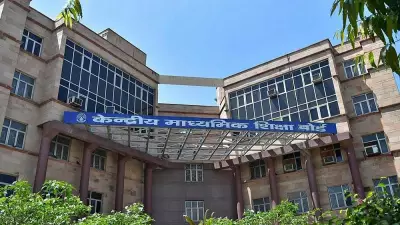
The Jammu and Kashmir Board of Professional Entrance Examinations (BOPEE) has issued a definitive statement regarding the counselling process for medical admissions. According to the board, acting under the explicit directions of the Medical Counselling Committee (MCC), they have completed a comprehensive update of candidate data on their official portal. This crucial update was finalized on the last stipulated date for joining, which was December 31, 2025.
The data update encompassed a total of 1,410 MBBS candidates, a figure that includes approximately 50 candidates specifically associated with Shri Mata Vaishno Devi Institute of Medical Education (SMVDIME). This inclusion highlights the direct impact on students from this particular institution, whose admissions and subsequent academic placements are now subject to the finalized records without opportunity for revision through additional counselling rounds.

Implications for Medical Aspirants and Institutional Operations
The decision to rule out fresh counselling carries significant ramifications for the affected students. Many had been anticipating a potential review or supplementary session to address various concerns, including seat allocation discrepancies, personal circumstances, or administrative oversights. With this avenue now closed, students must navigate their medical education based on the current, unalterable data entries, which may influence their specialization choices, college affiliations, and overall training pathways.
Furthermore, this situation underscores broader challenges within the medical education framework in Jammu and Kashmir. Stakeholders, including educational authorities, institutional administrators, and student representatives, are likely to engage in discussions to mitigate the impact and explore alternative support mechanisms for those affected. The emphasis remains on ensuring that the integrity of the admission process is maintained while addressing the legitimate anxieties of aspiring healthcare professionals.
The unfolding scenario at Shri Mata Vaishno Devi Medical College serves as a critical reminder of the complexities inherent in medical admissions and the importance of transparent, timely communication between regulatory bodies and educational institutions. As the academic community processes this development, the focus will shift towards providing clarity and guidance to students, helping them adapt to the confirmed arrangements and pursue their medical careers with resilience and determination.