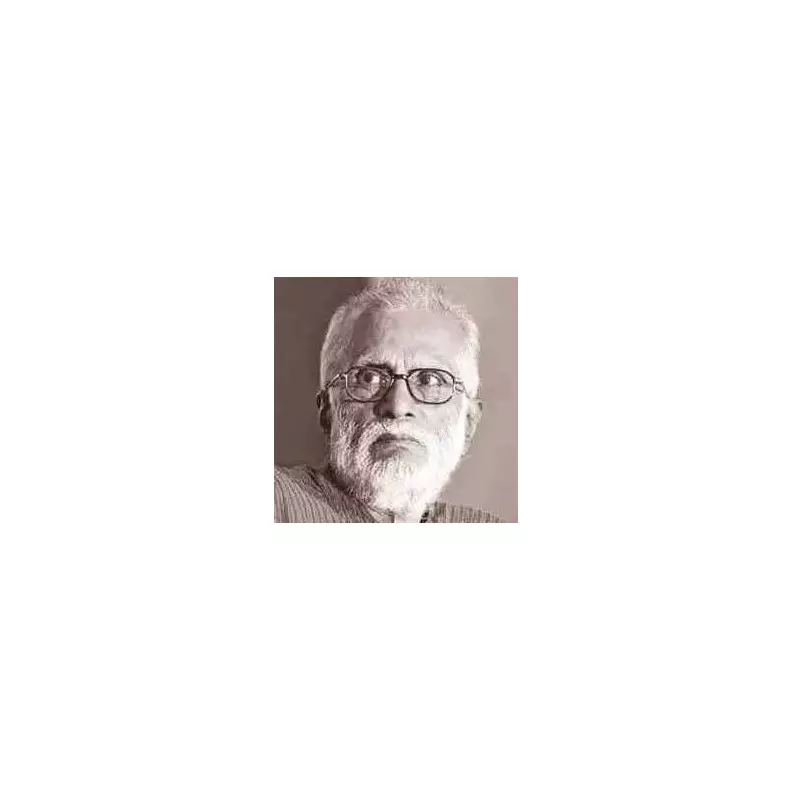
The world of Hindi literature has lost one of its most distinguished voices. Gyanranjan, a towering figure of the progressive literary movement and a master storyteller, passed away on Wednesday night in Jabalpur. He was 90 years old.
A Literary Journey Ends
The author, celebrated for his poignant short stories such as 'Pita', 'Fence Ke Idhar Udhar', and 'Ghanta', had been battling age-related health issues. His condition worsened on Wednesday morning, leading to his admission to a private hospital in Jabalpur. According to a friend who spoke to the media, Gyanranjan breathed his last at 10:30 PM on Wednesday.
Life and Legacy of a Literary Stalwart
Born on November 21, 1936, in the Akola district of Maharashtra, Gyanranjan's intellectual journey was marked by academic and creative excellence. He pursued higher education at the prestigious Allahabad University. For 34 years, he served as a professor of Hindi at G S College, which is affiliated with Jabalpur University, retiring in 1996.

Beyond his teaching, his editorial leadership shaped the literary landscape. He served as the editor of the highly respected literary magazine 'Pahal'. His prose work, 'Kabadkhana', is widely regarded as a classic of modern Hindi literature. In recognition of his immense contribution, Jabalpur University conferred upon him the honorary degree of Doctor of Literature in 2013.
Award-Winning Contributions
Gyanranjan's work was celebrated with numerous accolades throughout his life. His mantlepiece included some of the most respected awards in Hindi letters:
- The Sahitya Bhushan Award from the Hindi Institute.
- The Subhadra Kumari Chauhan Award from the Madhya Pradesh Sahitya Parishad.
- The Shikhar Award from the Madhya Pradesh Culture Department.
- The Maithili Sharan Gupt Award.
The passing of Gyanranjan marks the end of an era for progressive Hindi literature. His stories, which often reflected deep human concerns and social realities, continue to resonate with readers. His death leaves a void in the literary community, but his works, like the acclaimed 'Kabadkhana', ensure his voice and vision will endure for generations to come.