The year 2003 marked a significant turning point in Indian cinema, where commercial blockbusters shared screen space with gritty, realistic storytelling that would change Bollywood forever. While romantic dramas and family entertainers dominated the box office, one film quietly revolutionized Hindi cinema and launched two extraordinary careers.
The Breakout That Changed Everything
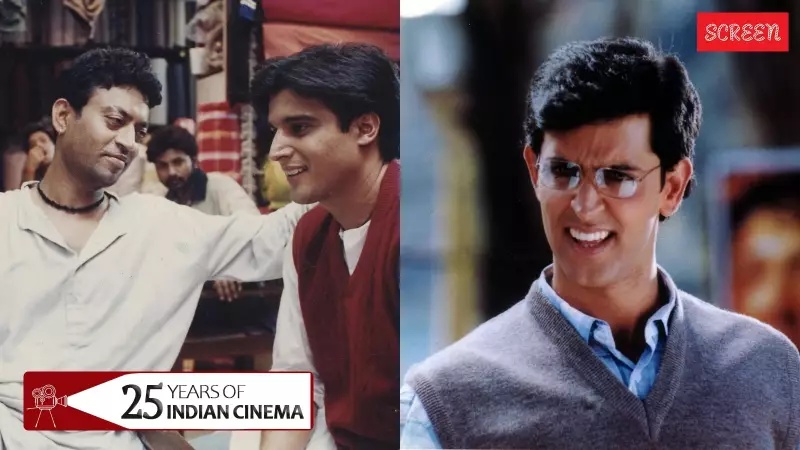
Tigmanshu Dhulia's debut feature Haasil emerged as the dark horse of 2003, introducing audiences to a raw, uncompromising vision of Indian reality. The film had been in development for an extended period before finally reaching theaters, but its delayed release proved worth the wait for both the director and his leading actor.
Dhulia presented his National School of Drama contemporary and close friend Irrfan Khan as a hardened Allahabad native, a character that would become one of the most memorable performances in Indian cinema history. The film's setting in the fading glory of Allahabad University provided the perfect backdrop for exploring youth unrest fueled by local politics and goon culture.
Blockbuster Landscape of 2003
While Haasil made its mark, 2003 Bollywood was dominated by several major commercial successes that defined the year's entertainment landscape. Nikhil Advani's Kal Ho Naa Ho featured Shah Rukh Khan, Saif Ali Khan, Preity Zinta, and Rani Mukerji in a emotional New York-based drama that included soulful musical numbers and SRK's iconic deathbed scene.
Rakesh Roshan followed his previous successes with Koi Mil Gaya, starring Hrithik Roshan as a developmentally challenged young man, with Rekha playing his glamorous mother and Preity Zinta as his understanding girlfriend. The film's adorable alien character Jadoo captured audience hearts and became an instant sensation.
Meanwhile, Rajkumar Hirani made his directorial debut with Munna Bhai MBBS, introducing Sanjay Dutt as the lovable gangster Munna and Arshad Warsi as his faithful sidekick Circuit. The film's heartwarming story of a goon confronting the medical establishment, represented by Boman Irani's cold-hearted dean, delivered both laughter and tears, establishing Hirani as the new master of middle-road cinema.
Romantic and Family Dramas Flourish
Aziz Mirza's Chalte Chalte presented Shah Rukh Khan as a common truck company owner who romances wealthy Rani Mukerji in picturesque Greece locations. The film broke convention by exploring marital challenges after wedding ceremonies, rather than ending at the traditional mandap conclusion.
Ravi Chopra's family drama Baghban featured Amitabh Bachchan and Hema Malini as elderly parents neglected by their ungrateful children. The high-melodrama film was carried by the veteran actors' powerful performances, with Salman Khan making a surprisingly impactful cameo that demonstrated his ability to steal scenes with limited screen time.
Haasil's Lasting Legacy
Despite the competition from major stars and established directors, 2003 ultimately belonged to Haasil for its groundbreaking contribution to Hindi cinema. The film provided Tigmanshu Dhulia with his crucial foothold in Bollywood and gave Irrfan Khan (who then spelled his name with a single 'r') the role of a lifetime.
Irrfan's portrayal of Rannvijay Singh, while technically a negative character, showcased such compelling positive traits that audiences couldn't help but connect with him emotionally. This performance came at a critical juncture when the actor had nearly given up on Hindi cinema, making his breakthrough even more significant.
Without Haasil's success, Indian cinema might have lost one of its most brilliant actors before he had the chance to demonstrate his extraordinary range in subsequent international and domestic projects. Irrfan Khan's untimely passing remains deeply felt, but his legacy began with this career-defining performance in 2003 that changed Bollywood's approach to character-driven storytelling forever.