Oil, Power & War: Why the Middle East Never Knows Peace?
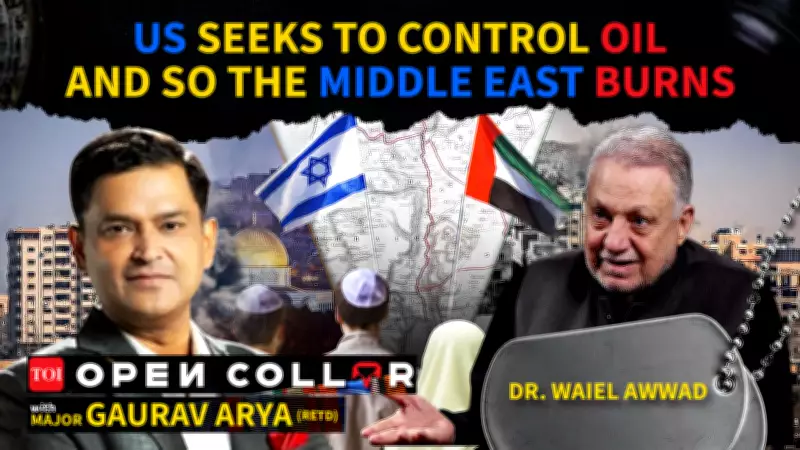
In the latest episode of OPEN COLLAR, Major Gaurav Arya engages in a critical dialogue with Waiel Awwad, delving into the complex and volatile landscape of the Middle East. This region, once again, finds itself at the epicenter of global geopolitical tensions, with a series of interconnected conflicts threatening to spiral into wider instability.
A Region Engulfed in Multiple Fronts of Conflict
The conversation comprehensively addresses the multifaceted crises currently unfolding across the Middle East. From the protracted proxy war in Yemen, which has drawn in regional powers, to the sudden and dramatic collapse of the Syrian government, creating a power vacuum filled by various factions. The ongoing Israel-Hamas conflict continues to simmer, periodically erupting into violence that destabilizes the entire Levant.
Furthermore, Hezbollah's strikes and military posturing add another layer of complexity to the regional security equation. Iran's expanding regional influence, often exercised through proxy groups, is a central theme, challenging the traditional power dynamics and prompting counter-moves from other states.

The Geopolitical Chessboard: Alliances and Understandings
A significant development discussed is the recent Saudi-Pakistan defense understanding. This strategic partnership underscores how Middle Eastern powers are looking beyond the immediate region to secure their interests and counterbalance rivals. Such alliances are not merely defensive pacts but are active components in the broader struggle for dominance and resource control.
The dialogue posits that the region's immense oil wealth is both a blessing and a curse. It fuels economies but also becomes a primary driver of conflict, as global and regional powers vie for control over these resources. This economic dimension is inextricably linked to the political and military confrontations.
The Cycle of Violence and the Quest for Stability
The explosive conversation between Arya and Awwad does not merely catalog conflicts but seeks to understand the underlying patterns. Why does peace remain so elusive? The analysis suggests a self-perpetuating cycle where historical grievances, sectarian divides, external interventions, and the competition for oil and regional hegemony create a perfect storm of instability.
Each conflict, from Syria to Yemen, is shown to be interconnected, with actions in one theater having direct repercussions in another. The involvement of non-state actors like Hezbollah and various militant groups further complicates diplomatic resolutions, making traditional peace processes increasingly difficult to implement.
This episode of OPEN COLLAR serves as a stark reminder that the Middle East's troubles are deep-rooted and multifaceted. The path to peace is obstructed by a tangled web of oil interests, power politics, and long-standing animosities that show little sign of abating, ensuring the region remains a focal point of global tension and concern for the foreseeable future.