Punjab’s Shiromani Akali Dal Backs Anti-Cheating Bill
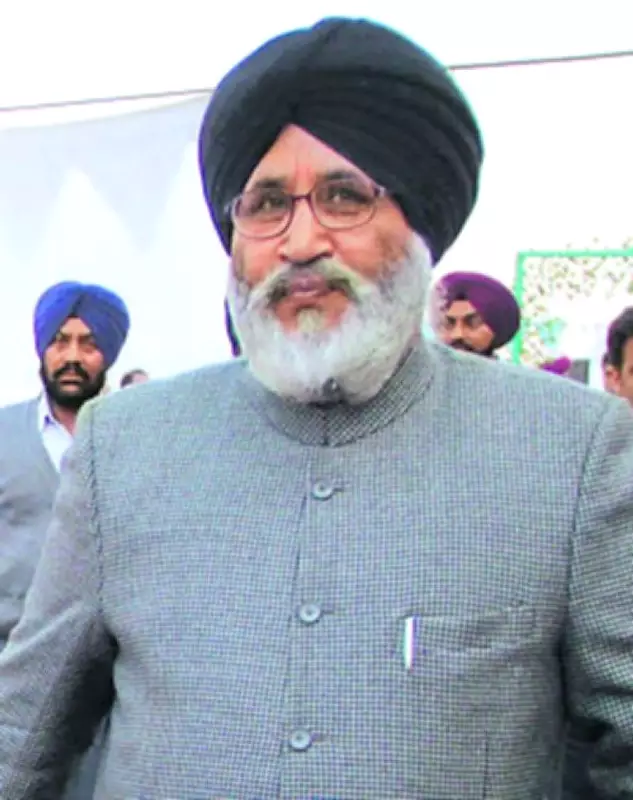
The Shiromani Akali Dal (SAD) on Sunday welcomed the proposed Public Examinations (Prevention of Unfair Means) Amendment Bill, 2026, while urging the Union government to empower states to conduct examinations for their own recruitments and institutions. SAD senior leader Dr Daljit Singh Cheema said that stronger punishment for those involved in paper leaks was necessary, but punishment alone could not guarantee the integrity of public examinations.
Call for Decentralisation and Uniform Standards
Cheema stressed that the Union government should frame uniform national security standards while empowering states to conduct examinations for their own recruitments. “Decentralization, coupled with strong national SOPs, will reduce systemic risks, improve accountability, strengthen public confidence and ensure better protection of the aspirations of millions of honest students,” he said. The SAD leader argued that state-level examination bodies are better placed to manage local recruitment processes, but they need robust support and clear guidelines from the Centre.
Preventive Measures Over Punitive Action
Cheema also advocated that the law should place equal emphasis on preventive measures—robust standard operating procedures, secure technology, end-to-end accountability, regular security audits, and foolproof examination protocols—to ensure that leaks did not occur in the first place. He noted that many paper leak cases in recent years had eroded trust in the examination system, particularly in state-level recruitment exams for teaching, police, and other government posts.

Impact on Students and Aspirants
The SAD leader highlighted that honest students often suffer the most from malpractices, as their hard work goes unrecognised when exams are cancelled or results are delayed. He said that by giving states more control, the chances of centralised security breaches would be reduced, and local accountability would improve. Cheema also called for strict action against individuals who profit from leaking papers, but insisted that the focus must remain on creating a system that prevents leaks from happening.
Broader Political Context
The bill, introduced in Parliament, aims to strengthen the legal framework against unfair means in public examinations. SAD’s stance aligns with the views of several opposition parties that have demanded greater autonomy for states in conducting exams. The party’s position is expected to influence the debate in the Rajya Sabha, where regional parties have significant representation.
Conclusion
As the government moves forward with the bill, SAD’s demand for a balanced approach—combining strict penalties with preventive measures and state empowerment—could shape the final legislation. The party has urged all stakeholders to consider the long-term benefits of a decentralised exam system for the country’s youth.