Badshah Issues Formal Apology for Controversial 'Tateeree' Song
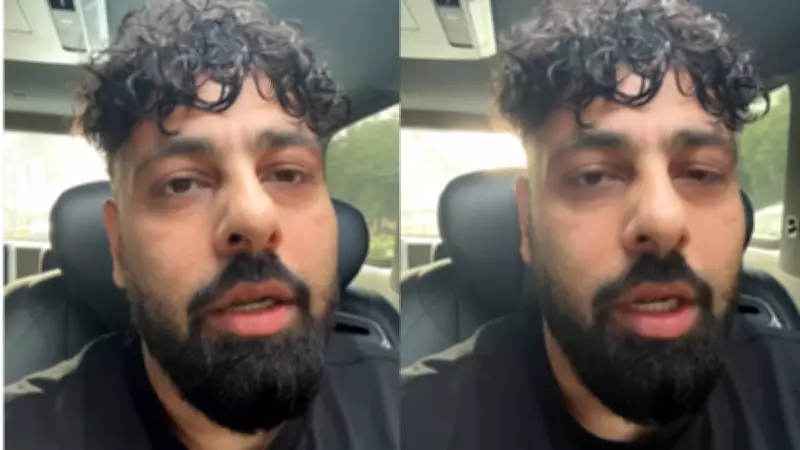
Popular rapper and music producer Badshah has publicly issued a heartfelt apology for his recent song 'Tateeree', which has sparked significant backlash and criticism from various quarters. In a video statement released on social media, the artist expressed deep regret over the unintended offense caused by the track's lyrics, emphasizing that his creative intent was never to hurt anyone's sentiments or disrespect cultural values.
Backlash and Public Reaction to the Song
The song 'Tateeree', released earlier this week, quickly drew ire from listeners and cultural commentators who found certain lines in the lyrics to be inappropriate and potentially offensive. Social media platforms were flooded with complaints, with many users calling for the track to be taken down or revised. The controversy highlighted ongoing debates about artistic freedom versus social responsibility in the Indian music industry, particularly in the fast-paced world of Bollywood and hip-hop.
Badshah's Clarification and Assurance
In his apology video, Badshah addressed the concerns directly, stating, "I want to clarify that I never meant to hurt anyone's feelings with this song. Music is my passion, and I always aim to create art that brings joy, not distress." He further assured his fans and critics that he takes such feedback seriously and will be more mindful in his future projects. The rapper also mentioned that he values the diverse perspectives of his audience and respects the cultural sensitivities that shape public discourse in India.

Industry Response and Broader Implications
This incident has reignited discussions within the entertainment industry about the boundaries of creative expression. Several fellow artists and industry insiders have weighed in, with some supporting Badshah's right to artistic freedom, while others stress the importance of accountability in content creation. The episode serves as a reminder of the powerful impact music can have on societal norms and the need for artists to balance innovation with cultural respect, especially in a diverse country like India.
As the story develops, it remains to be seen whether this apology will quell the controversy or if further actions, such as edits to the song, will be taken. For now, Badshah's statement stands as a significant moment of reflection in contemporary Indian music, underscoring the complex interplay between art, audience, and ethics in the digital age.