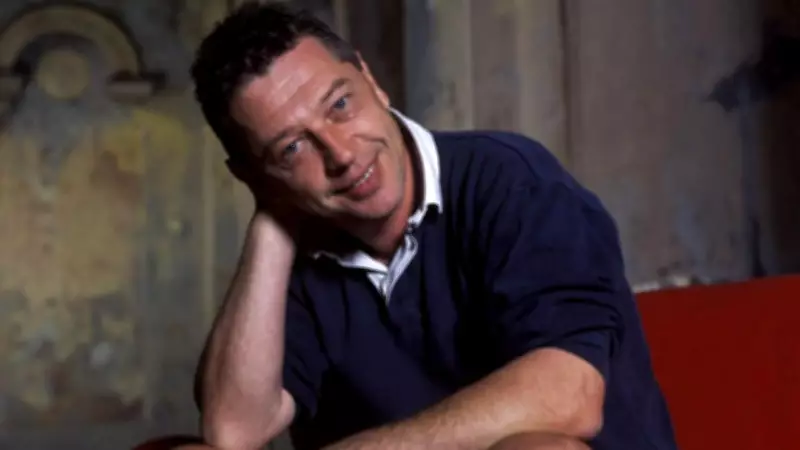
BBC Radio Icon Andy Kershaw Passes Away at 66 Following Spinal Cancer Diagnosis
The broadcasting world is mourning the loss of a legendary figure. Andy Kershaw, the former BBC Radio 1 DJ and celebrated Live Aid presenter, has died at the age of 66. His family confirmed the sad news, revealing that the broadcaster passed away months after publicly sharing his spinal cancer diagnosis, which had tragically left him unable to walk.
A Courageous Battle Against Aggressive Cancer
Kershaw was diagnosed with spinal cancer in August 2025. He underwent an intensive treatment regimen that included chemotherapy, radiotherapy, and physiotherapy. His friend and podcast producer, Peter Everett, described the challenging process as involving "a lot of scans and painkillers." Despite the aggressive nature of his illness, Kershaw maintained remarkable resilience. In a heartfelt message shared in January, he stated: "I am in good spirits, feeling very positive and planning another podcast. I am determined not to die before Benjamin Netanyahu, Vladimir Putin, Donald Trump and Ant'n'Dec."
A Distinguished Career in Broadcasting
Born in Rochdale in 1959, Andy Kershaw studied at Leeds University before launching his illustrious career. He began as a promotions manager at Radio Aire, quickly establishing himself in the industry. His breakthrough came in 1984 when he first anchored the BBC's iconic television rock programme, The Old Grey Whistle Test. This role catapulted him to national fame, leading to his prominent position as a BBC Radio 1 DJ and his memorable presentation of the historic Live Aid concert, which solidified his status as a broadcasting legend.

Understanding Spinal Cancer: Symptoms and Treatment
Spinal cancer occurs when a tumor develops in or around the spine, either within the bones, the spinal cord, or adjacent tissues. This condition can originate primarily in the spine itself, which is relatively rare, or it can spread secondarily from other parts of the body such as the lungs or breast through the bloodstream. There are two main types:
- Primary Spinal Tumors: These begin directly in the spine, within the bones, discs, or tissue surrounding the spinal cord. They are uncommon.
- Secondary or Metastatic Spinal Tumors: These are far more common and occur when cancer from another area, like the lungs, breast, prostate, or kidneys, metastasizes to the spine.
Back pain is one of the most frequent complaints globally, so when spinal cancer manifests with a dull, persistent ache, many people mistakenly attribute it to muscular issues or aging. However, certain warning signs should prompt immediate medical investigation:
- Pain that intensifies at night or when lying flat.
- Unexplained weakness in the legs.
- Numbness or tingling sensations.
- Difficulty walking or maintaining balance.
- Sudden changes in bladder or bowel control.
Treatment for spinal cancer varies based on the type and stage of the disease. It may involve a combination of surgical intervention, radiation therapy, and medication. Early detection and comprehensive care are crucial for managing this serious condition.
The passing of Andy Kershaw marks the end of an era in British broadcasting. His contributions to radio and television, coupled with his brave public battle against spinal cancer, leave a lasting legacy that will be remembered by fans and colleagues alike.