In the digital age, a film's legacy is no longer measured just by box office numbers or awards. Often, it's a single line of dialogue, delivered in a moment of high emotion or casual brilliance, that escapes the silver screen to live a vibrant second life online. Bollywood, with its rich tapestry of stories, has gifted the internet a treasure trove of such moments, where actresses' lines have been repurposed by netizens to express everything from deep exhaustion to unapologetic confidence.
From Cinematic Emotion to Digital Reaction
These dialogues, originally written to drive a film's narrative or reveal a character's depth, have been seamlessly adopted into the lexicon of social media. They serve as perfect, relatable templates for our daily frustrations, sarcastic comebacks, and moments of self-affirmation. The journey from a scripted scene to a ubiquitous meme is a fascinating study of how pop culture intersects with our everyday digital expression.
Here is a closer look at some of the most iconic Bollywood actress dialogues that have become permanent fixtures in meme culture.

Alia Bhatt's Cry for Home Becomes a Cry for Mercy
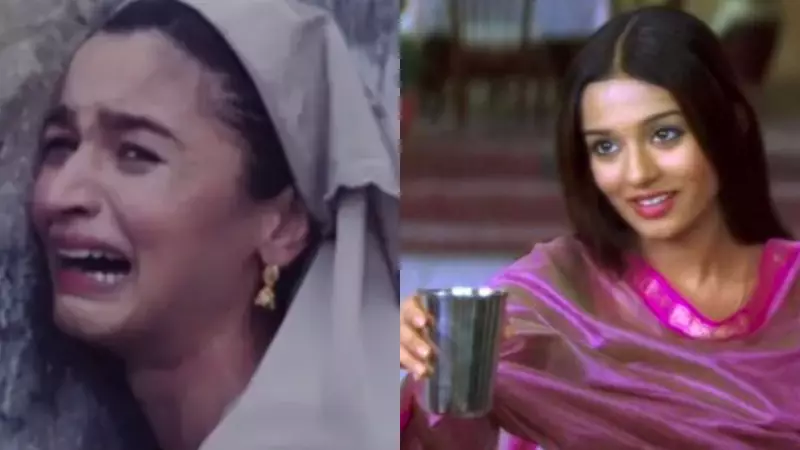
In the espionage thriller 'Raazi', Alia Bhatt delivered a powerful performance as Sehmat, a young Indian woman married into a Pakistani military family for a covert mission. The line 'Mujhe apne ghar jaana hai' (I want to go to my home) is uttered at a point of extreme emotional and physical fatigue, where the weight of her patriotic sacrifice becomes almost unbearable.
While the cinematic context is one of peril and longing for safety, the internet saw a universal feeling it could adopt. Today, this dialogue is the go-to meme for expressing utter exhaustion. It is deployed after endless work shifts, during draining social gatherings, or at any moment when the pressures of adult life feel overwhelming. Alia Bhatt's heartfelt plea has been transformed into the internet's most polite and widely understood way of saying, "I quit."
Kangana Ranaut's Despair Fuels Sarcastic Humour
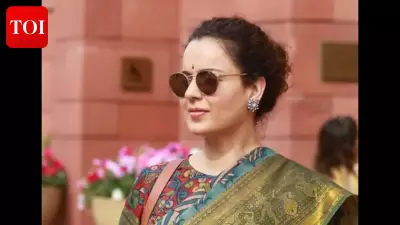
Kangana Ranaut's breakout role in 'Queen' as Rani, a woman rebuilding her life after a broken engagement, gave us the dramatically delivered line, 'Mere toh itna life kharab ho gaya hai' (My life has been ruined so much). In the film, it captures the profound despair of a character who believes her future has collapsed.
The internet, however, embraced the line's inherent melodrama for comedic effect. It is now a staple reaction to minor inconveniences and everyday disappointments. Whether it's a missed bus, a spoiled plan, or a minor work error, using this meme adds a layer of self-aware, sarcastic humour to trivial problems, perfectly exaggerating our temporary grievances.
Kareena Kapoor Khan Declares a Self-Love Mantra
Perhaps no other dialogue has been claimed by the internet as definitively as Kareena Kapoor's Geet from 'Jab We Met'. Her bold declaration, 'Main apni favourite hoon' (I am my own favourite), was a statement of fierce self-worth and independence long before self-love became a mainstream conversation.
This line now dominates online spaces as the ultimate expression of main-character energy. It is used to celebrate personal victories, brush off negativity, hype oneself up after a setback, and unapologetically embrace one's own identity. Kareena Kapoor's delivery turned a simple line into a timeless empowerment slogan for the digital generation.
Deepika Padukone's Wisdom Against FOMO
In 'Yeh Jawaani Hai Deewani', Deepika Padukone's Naina shares a moment of quiet wisdom with Bunny, who is perpetually rushing. She calmly states, 'Jitna bhi try karlo Bunny, life mein kuch na kuch chhootega hi' (No matter how hard you try Bunny, you will always miss out on something in life). This line challenges the very essence of FOMO (Fear Of Missing Out).
Online, this dialogue resonates deeply in a world obsessed with productivity and experiencing everything. It has become a popular meme to comment on burnout, the relentless pace of modern life, and the importance of slowing down. It serves as a gentle, often sarcastic, reminder to prioritize presence over perpetual pursuit.

Amrita Rao's Politeness Turned Sarcastic Shield
Amrita Rao's portrayal of the demure Poonam in 'Vivah' is epitomized by her softly spoken offer, 'Jal lijiye' (Please have some water). Within the film, it is a gesture of traditional hospitality and grace.
On social media, this overly polite line has been weaponized as a tool of sublime sarcasm. It is used to diffuse (or ironically heighten) tension in awkward online arguments, respond to overdramatic reactions, or mockingly offer calm in the face of digital chaos. The stark contrast between the line's gentle intent and its sarcastic application is what makes it a perpetually funny meme template.
The Evergreen Impact of Bollywood Lines
These examples prove that Bollywood's influence extends far beyond the runtime of its films. A well-written dialogue, delivered with conviction, can transcend its narrative origins to become a shorthand for complex human emotions in the digital sphere. These lines have found a new purpose, perfectly encapsulating our collective moods, meltdowns, and moments of pride. What began as pivotal scenes in cinema are now essential tools for navigating the social media landscape, connecting fans through shared humour and relatable sentiment.