Abhijeet Sawant Exposes Systemic Exploitation in Bollywood Music Industry
In a candid revelation that has sent shockwaves through the entertainment world, singer Abhijeet Sawant has highlighted the stark disparity in payment structures within Bollywood's music industry. Speaking on a recent YouTube interview, Sawant detailed how playback singers are often forced to work for minimal compensation while composers like Biddu earn staggering monthly royalties from just a couple of international hits.
The Royalty Divide: Biddu's Earnings vs. Indian Singers' Struggles
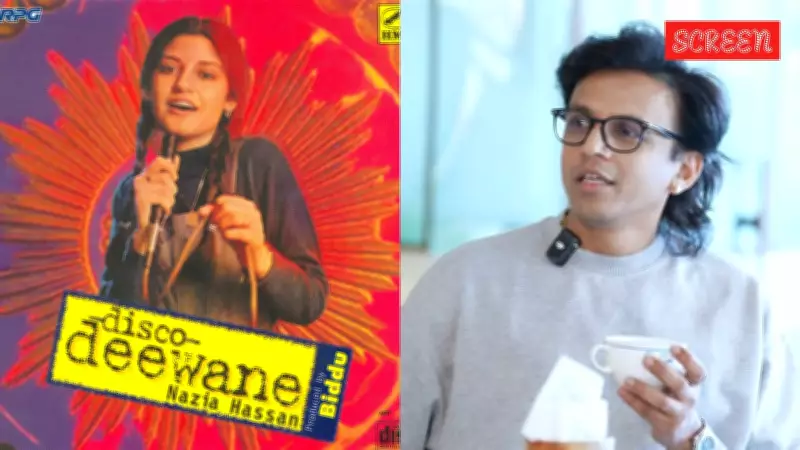
Abhijeet Sawant pointed to the British-English composer Biddu as a prime example of how the system favors certain artists. Biddu reportedly earns between Rs 74 to Rs 84 lakh every month in royalties from just two Western songs, including the global hit "Kung Fu Fighting" and contributions to the Pakistani album "Disco Deewane." This income, equivalent to approximately 60,000-70,000 pounds monthly, allows him financial security for life.
In stark contrast, Sawant explained that Indian playback singers typically receive a one-time fee for their work and are denied long-term royalty rights. "We don't even get enough money to sustain our livelihood," he lamented, emphasizing the systemic exploitation that pervades the industry.

Why Singers Accept Low Payments: A Cycle of Exploitation
During the interview on Pentarise Studios' YouTube channel, Sawant delved into the reasons behind this inequitable system. He suggested that there is a deliberate effort to prevent singers from becoming bigger than the films themselves, which keeps their payments capped. "People don't want the singers to become bigger than the film itself. That's why they are paid a certain amount," he stated.
Moreover, Sawant highlighted the complicity of singers in this cycle. Many artists, driven by the desire for opportunities and exposure, accept whatever payment is offered. "Singers are themselves greedy for opportunities, and they know that if this song gets released in my voice, with some big star lip-syncing, then I can use this song for my entire life," he explained. This mindset, combined with the fear of being replaced, perpetuates the exploitation.
The Broader Context: Arijit Singh's Exit and Industry Concerns
This discussion comes at a critical time for Bollywood's music scene, especially following Arijit Singh's recent exit from playback singing. Singh's departure has amplified debates about fair remuneration and the treatment of artists within the industry. Fans and insiders alike are questioning why an industry that produces global hits cannot retain its top talent or ensure fair compensation for its contributors.
Sawant's insights shed light on the challenges faced not only by star singers but also by those lower in the popularity hierarchy. The lack of royalty payments for film music remains a significant issue, as it denies artists a sustainable income stream from their work.
Key Points from Abhijeet Sawant's Revelations
- Biddu earns Rs 80 lakh monthly from royalties on two international songs.
- Indian playback singers receive one-time fees with no long-term royalty rights.
- Singers often accept low payments due to fear of losing opportunities to others.
- The industry systemically exploits artists to prevent them from overshadowing films.
- This issue has gained urgency with Arijit Singh's exit from playback singing.
As the conversation around fair pay in Bollywood continues to gain momentum, Abhijeet Sawant's bold statements serve as a crucial wake-up call. They underscore the need for structural reforms to ensure that all artists, regardless of their role, receive just compensation for their contributions to India's vibrant music industry.