Bollywood's Shifting Gaze: The Missing Kashmiri Voice in Cinema
In recent years, Bollywood has increasingly turned its lens toward the picturesque yet conflict-ridden region of Kashmir, weaving its landscapes and socio-political tensions into cinematic narratives. However, a critical examination reveals a persistent gap: the absence of authentic Kashmiri voices in these portrayals. This omission raises profound questions about representation, cultural sensitivity, and the responsibility of mainstream Indian cinema in shaping public perception.
The Evolution of Kashmir in Bollywood
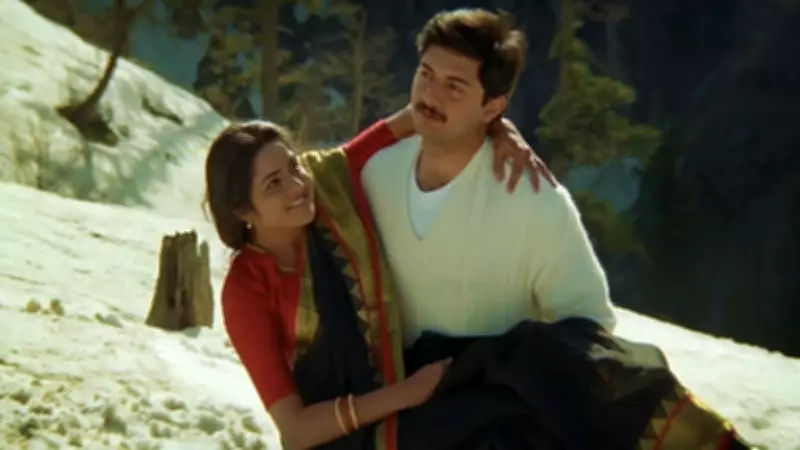
Historically, Bollywood's depiction of Kashmir has undergone significant transformation. In the golden era of the 1960s and 1970s, films like "Kashmir Ki Kali" romanticized the region as a serene paradise, a backdrop for love stories and musical sequences. This idyllic portrayal often overshadowed the ground realities, reducing Kashmir to a mere scenic locale.
In contrast, contemporary cinema has shifted toward more nuanced, albeit still limited, explorations. Movies such as "Haider" and "Raazi" have attempted to delve into the complexities of conflict, politics, and identity. While these films have been praised for their artistic merit and bold themes, they frequently rely on non-Kashmiri actors and writers, leading to a lack of indigenous perspective.

The Critical Gap: Authentic Representation
The core issue lies in the underrepresentation of Kashmiri talent both in front of and behind the camera. Despite the region's rich cultural heritage and storytelling traditions, few Kashmiri actors, directors, or screenwriters have broken into mainstream Bollywood. This results in narratives that, while well-intentioned, may lack depth, authenticity, and the subtle nuances of local experiences.
Experts argue that this gap not only marginalizes Kashmiri artists but also perpetuates stereotypes. Without genuine voices, films risk presenting a monolithic or external view of Kashmir, which can influence audience perceptions and reinforce biases. The call for inclusion is not just about diversity; it is about accuracy and ethical storytelling in a sensitive context.
Impact on Cultural and Political Discourse
Bollywood's portrayal of Kashmir holds significant sway over India's cultural and political discourse. As a powerful medium, cinema shapes how millions perceive the region's history, struggles, and aspirations. The missing Kashmiri voice means that these narratives are often filtered through an outsider's lens, potentially distorting realities and sidelining local agency.
This dynamic has sparked debates within the film industry and among audiences. Advocates emphasize that incorporating Kashmiri perspectives could lead to more empathetic, informed, and balanced storytelling. It could also open doors for collaboration, fostering a cinema that reflects India's diverse tapestry while addressing contentious issues with greater sensitivity.
Moving Forward: Pathways to Inclusion
Addressing this representation gap requires concerted efforts from Bollywood stakeholders. Potential steps include:
- Casting and Crew Diversity: Actively seeking Kashmiri actors for roles set in the region and hiring local writers and consultants to ensure authentic narratives.
- Support for Independent Cinema: Encouraging and funding Kashmiri filmmakers who tell their own stories, which can then influence mainstream productions.
- Dialogue and Sensitivity Training: Engaging with Kashmiri communities to understand their experiences and avoid cultural appropriation or misrepresentation.
- Policy Initiatives: Film bodies and production houses could implement guidelines to promote regional representation in projects related to sensitive areas.
By embracing these measures, Bollywood can move beyond superficial portrayals and contribute to a more inclusive cinematic landscape. The inclusion of Kashmiri voices is not merely an artistic choice but a step toward healing and understanding in a region marked by decades of turmoil.

In conclusion, while Bollywood's gaze on Kashmir has evolved, the journey toward authentic representation remains incomplete. As the industry continues to explore this complex terrain, prioritizing Kashmiri perspectives will be crucial for creating films that resonate with truth, empathy, and cultural integrity. The missing voice is a call to action—one that could redefine Bollywood's role in narrating India's multifaceted stories.