Bollywood has long turned its lens towards the corridors of power, dramatizing the lives and legacies of India's most influential political figures. These films go beyond mere entertainment, serving as cinematic records that spark national conversation. From the foundational years of independence to contemporary coalition politics, here is a look at five notable films that have shaped the genre of political portrayals in Indian cinema.
The Pillars of the Nation: Sardar and The Tashkent Files
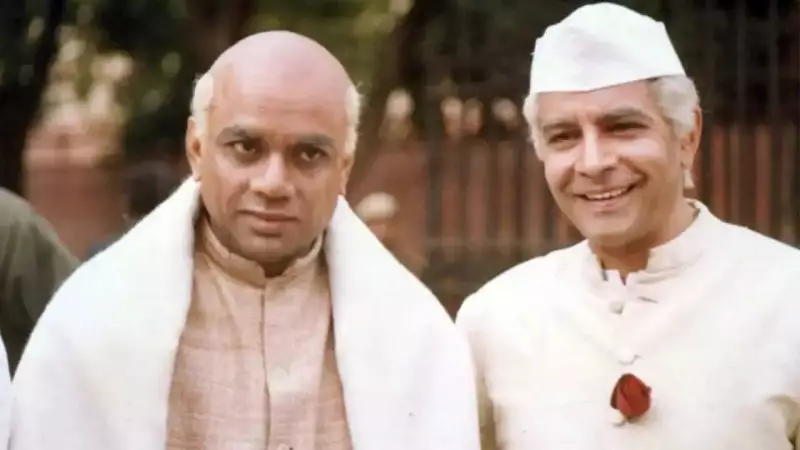
The genre of political biopics found a strong early example with Sardar, released in 1993. Directed by K. Bhagyaraj, the film featured a stellar performance by Paresh Rawal as Vallabhbhai Patel, India's first Deputy Prime Minister and Home Minister. The narrative meticulously charts Patel's monumental task of integrating hundreds of princely states into the Indian union post-independence. It is celebrated for its balanced tone and for highlighting the challenges of nation-building through political negotiation and resolute leadership.
Decades later, The Tashkent Files (2019), directed by Vivek Agnihotri, adopted a thriller-like approach to probe a historical mystery. The film investigates the sudden death of India's second Prime Minister, Lal Bahadur Shastri, in Tashkent in 1966. Structured as a tense investigative drama, it follows a panel sifting through classified documents and conflicting testimonies under political pressure. The movie ignited public discourse on transparency and the unresolved questions surrounding a pivotal moment in India's political history.

Inside the Power Corridors: The Accidental Prime Minister and Thackeray
Offering a rare insider's perspective, The Accidental Prime Minister (2019) is based on the memoir of Sanjaya Baru, former media advisor to Prime Minister Manmohan Singh. Directed by Vijay Ratnakar Gutte, the film stars Anupam Kher as the soft-spoken economist-PM. It delves into the complexities of coalition politics, media management, and internal power dynamics within the government during a transformative decade. The film presented events from a personal vantage point, highlighting the constant tension between the authority of the office and the realities of political advisory.
Shifting focus to regional powerhouse politics, Thackeray (2019) chronicles the fiery journey of Bal Thackeray, the founder of the Shiv Sena. Directed by Abhijit Panse, the film features a remarkable physical and performative transformation by Nawazuddin Siddiqui. It traces Thackeray's evolution from a political cartoonist to a mass leader who reshaped Maharashtra's political landscape. The narrative explores themes of regional identity, ideological conviction, and charismatic mass mobilization over several decades.
Revisiting a Controversial Chapter: Emergency (2025)
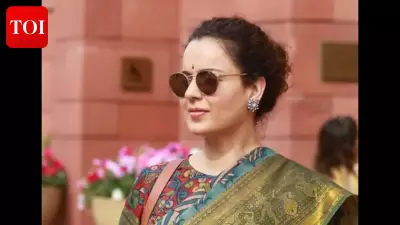
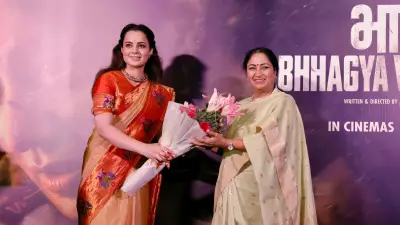
The most recent ambitious entry in this space is Emergency (2025), which dramatizes one of the most controversial periods in Indian democracy. Directed by and starring Kangana Ranaut as Prime Minister Indira Gandhi, the film focuses on the 21-month period of internal emergency declared from 1975 to 1977. It portrays the political decisions that led to the suspension of civil liberties, the restriction of dissent, and the intense personal and political power struggles of the time. The film aims to revisit this defining chapter, examining the consequences of absolute authority on a democratic framework.
Together, these five films demonstrate Bollywood's enduring fascination with political history. They serve not just as biographical accounts but as lenses through which audiences can engage with debates about leadership, democracy, and the nation's past. From Sardar's measured tribute to Emergency's dramatic reckoning, they prove that the intersection of cinema and politics remains a potent space for storytelling and reflection.