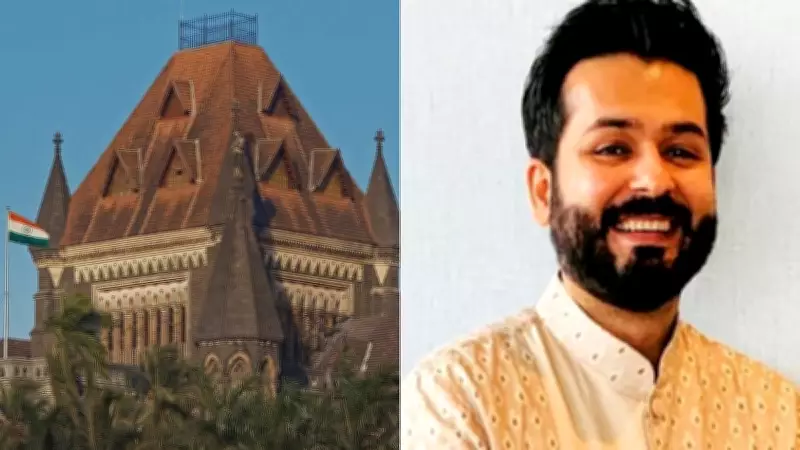
Bombay High Court Intervenes in Bollywood Script Theft Allegations
The Bombay High Court has taken a decisive step in a high-profile intellectual property dispute within the Indian film industry by issuing a restraining order against a filmmaker. This legal action prevents the filmmaker from publicly accusing the director of the upcoming movie Dhurandhar of script theft, marking a significant development in the ongoing conflict.
Details of the Court's Restraining Order
In a recent ruling, the Bombay High Court granted an interim injunction, effectively barring the filmmaker from making any statements or allegations that suggest the Dhurandhar director stole the script. The court emphasized the need to protect the reputations of all parties involved and to prevent potential defamation or harm to the film's production and release. This order comes amid escalating tensions between the two industry professionals, with the filmmaker having previously claimed that the Dhurandhar script was unlawfully copied from their own work.
Background of the Script Theft Dispute
The dispute centers on allegations that the director of Dhurandhar appropriated creative content without permission. The filmmaker, whose identity has not been fully disclosed in public reports, asserted that key elements of the script, including plot points and character arcs, were taken from their original screenplay. In response, the Dhurandhar director denied these accusations, stating that the script was independently developed and that any similarities are coincidental. The Bombay High Court's intervention aims to curb further public sparring and allow for a legal resolution without prejudicing the case through media trials.

This case underscores the growing importance of intellectual property rights in Bollywood, where script theft allegations are not uncommon but often lead to complex legal battles. The Bombay High Court's restraining order sets a precedent for how such disputes might be handled in the future, potentially encouraging filmmakers to seek legal recourse rather than air grievances in the public domain. Experts note that this could lead to more formalized processes for addressing copyright and creative ownership issues in the Indian entertainment sector.
Impact on the Film Dhurandhar
The restraining order is expected to provide some stability for the production and promotion of Dhurandhar, which might have been adversely affected by the controversy. By limiting public accusations, the court aims to ensure that the film's release is not overshadowed by legal drama, allowing audiences to judge it based on its artistic merits. However, the underlying dispute remains unresolved, and further court proceedings are likely to determine the validity of the script theft claims.
In summary, the Bombay High Court's action highlights the judiciary's role in mediating conflicts within Bollywood, balancing the protection of creative rights with the need to maintain professional decorum. As the case progresses, it will be closely watched by industry stakeholders for its potential impact on future intellectual property disputes in Indian cinema.