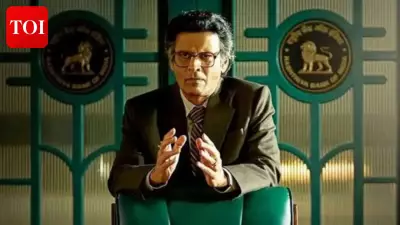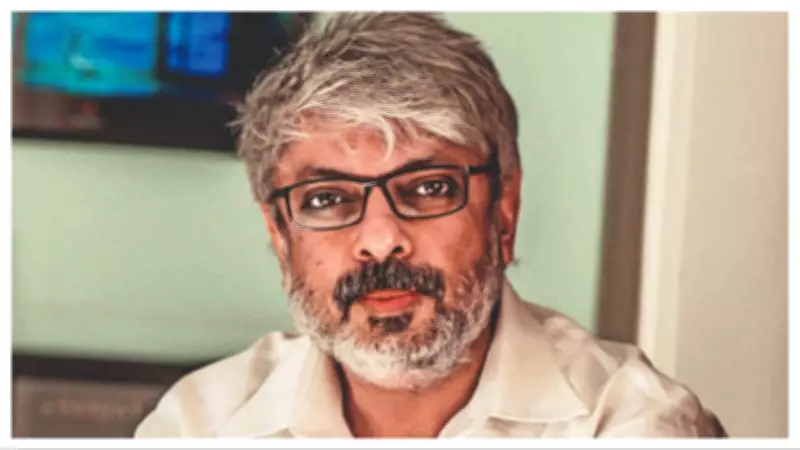
A carpenter died on the set of Sanjay Leela Bhansali's film Love & War at Royal Pump Studio in Goregaon (East), Mumbai, early on June 17. Chandradhari Yadav, 42, a member of the Film Studio Setting and Allied Mazdoor Union (FSSAMU), was killed around 3 am. Union representatives said the incident likely resulted from a short circuit, but the exact cause will be known after the post-mortem.
Compensation and demands for family support
Yadav is survived by his wife and two daughters. The Federation of Western India Cine Employees (FWICE) and FSSAMU approached the producers for financial assistance. Bhansali's production house offered Rs 40 lakh to the family. However, FWICE president BN Tiwari said monetary compensation is not enough. “Apart from monetary compensation, we have requested the producer to take responsibility for the children’s education. Workers are often made to work far beyond the prescribed eight to ten hours, and there is a limit to how much a person can physically stretch themselves at work. Once the post-mortem report comes, we will decide our next course of action. No matter how big the producer is or how big a film is being made, workers’ lives cannot be put at risk,” Tiwari said.
Long working hours and safety concerns
Ashok Dubey, honorary general secretary of FWICE, revealed that Yadav had been working continuously for three days, from 7 am until 3 am on the day of the incident. “According to those present, he suffered an electric shock and was rushed to hospital, where he passed away. We have also written to Mr Bhansali requesting employment for his wife in his production house,” Dubey said.

Renewed call for safety audits and regulated hours
FWICE leaders Ashok Dubey, BN Tiwari, and Ashoke Pandit have renewed their demand for stricter safety measures, mandatory audits, and regulated working hours on film sets. Ashoke Pandit, president of IFTDA and chief advisor to FWICE, said, “We have repeatedly urged producer bodies, studios and government authorities to conduct regular audits of sets, electrical wiring and cabling, considering that 150 to 200 workers are often present on a set. There are lives at stake and significant investments involved in building these sets. Mandatory compliance with fire, electrical and structural safety norms and comprehensive SOPs is the need of the hour. Unfortunately, our appeals have not received any response from the authorities.”
Labour law violations and government intervention sought
Tiwari added, “According to labour laws, workers are entitled to overtime pay after eight hours, but many neither receive additional payment nor are they paid on time. We have taken up these concerns with the Prime Minister’s Office and the Chief Minister’s Office and will continue to fight for our workers’ safety.” Dubey said, “We have been raising concerns over accidents on film sets for the past six or seven years. Of course, workers also have a responsibility to remain mindful while carrying out their duties but ensuring safety cannot rest on them alone. Production houses must ensure proper precautions, and working hours need to be clearly defined. We are also writing to Maharashtra’s Cultural Affairs Minister, Ashish Shelar, seeking his intervention on the issue.”