Delhi High Court Issues Landmark Order Against Unauthorized AI-Generated Film
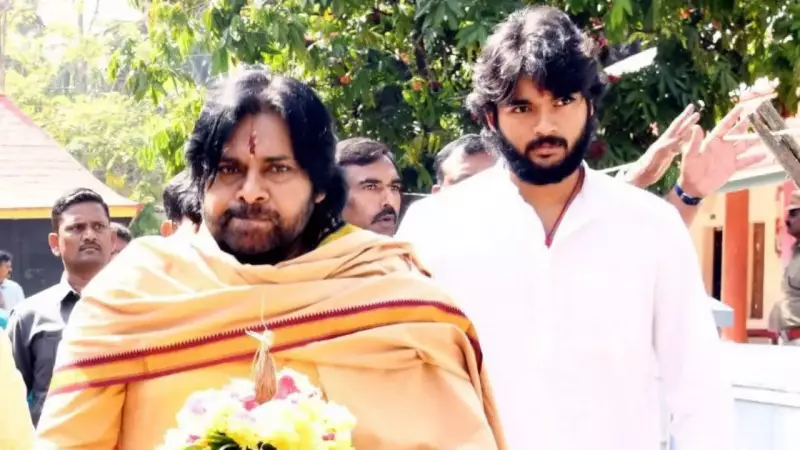
The Delhi High Court has taken decisive action to halt the circulation and broadcast of an artificial intelligence-generated film that exploited the name, personality, and likeness of Akira Nandan. Akira is the son of renowned actor and Andhra Pradesh Deputy Chief Minister Pawan Kalyan, making this case particularly significant in the entertainment and legal spheres.
Court Intervention in AI Misuse Case
Justice Tushar Tao Gadela passed this crucial order while hearing a lawsuit filed by Akira Nandan, who also goes by Akira Desai, against Sambhawaami Studios LLP and other defendants. The court's intervention came after serious allegations of unauthorized AI use surfaced, highlighting growing concerns about digital impersonation technologies.
Details of the Unauthorized AI Film
According to the legal suit, the defendant created and uploaded a movie of approximately one hour on YouTube, featuring Akira Nandan in the lead role without his authorization or permission. The studio had controversially claimed this production to be the world's first global AI movie, a designation that now faces legal scrutiny.

The court noted that this unauthorized use violated Akira's fundamental right to privacy and personality rights. Particularly concerning were allegations that the AI morphing content portrayed fabricated intimate and romantic scenes involving the plaintiff without any authorization.
Court's Observations on Rights Violation
"Plaintiff also claims that the AI morphing content portraying fabricated intimate/romantic scenes involving the plaintiff without any authorisation has already had, and has the potential to irreparably damage his name, image, goodwill and reputation resulting from the infringement of the copyright of his personality," the court stated in its observations.
The court further elaborated that the alleged misuse of AI and deep fake technology violates multiple legal protections, including personality rights, moral rights, publicity rights, and the right to privacy. Additionally, the court recognized this as a breach of copyright under existing law, noting that such infringement attempts to defraud innocent members of the public.
Recognition of Plaintiff's Prominent Status
In its order dated January 23, the court acknowledged Akira Nandan's prominent position, stating: "Upon overall appreciation of the facts of the case, prima facie, it appears that the plaintiff is a prominent personality belonging to a highly reputed family in the entertainment industry in the state of Andhra Pradesh."
The court emphasized the severity of potential damage, noting: "The irreparable injury and loss that the plaintiff may suffer, if no restraint orders are passed, would be irreparable, in as much as, a dent to the personality and the very image of the plaintiff can neither be measured in monetary terms nor be resurrected conveniently."
Immediate Court Directives and Takedown Orders
The court passed an ex parte ad-interim relief, ordering the immediate removal of the AI film, related clips, shorts, and promotional material from all platforms. This comprehensive takedown order represents a significant step in protecting digital identities against unauthorized AI exploitation.
Furthermore, the court restrained the defendants, including Sambhawaami Studios LLP and others, from any further exploitation of Akira's persona through AI or deepfake technologies. This prohibition extends to all forms of digital manipulation and unauthorized representation.
Platform Responsibility and Compliance Timeline
The court issued specific directives to digital platforms, stating: "Defendant 3 (Meta Platforms) is directed to inform the user of the infringing URLs...qua direction for take down in 72 hours, in case the user fails to take down the content, the defendant 3 will take down the said content." This creates a clear compliance framework for social media platforms dealing with AI-generated content violations.

Legal Proceedings and Future Hearing
The matter has been listed for further hearing on February 5, indicating that this case will continue to develop as courts grapple with the complex intersection of artificial intelligence, entertainment law, and personal rights protection. This legal battle may set important precedents for how Indian courts handle similar cases involving emerging technologies and celebrity rights.
This case highlights the growing challenges presented by AI technology in the entertainment industry and the urgent need for legal frameworks to address unauthorized digital impersonation. As AI capabilities advance, such legal interventions become increasingly crucial for protecting individuals' rights in the digital realm.