The landscape of global cinema is witnessing a significant shift as prominent Hollywood filmmakers forge direct creative alliances with Bollywood producers. This new wave of partnership, focused on mentorship and global visibility rather than financial investment, aims to catapult Indian films onto the international stage, particularly the festival and awards circuit.
Creative Validation Over Capital
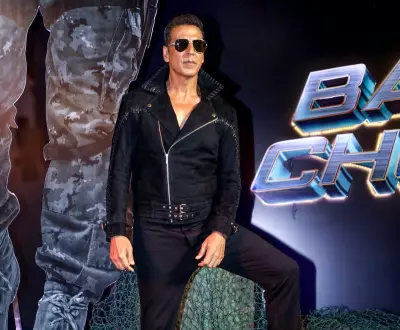
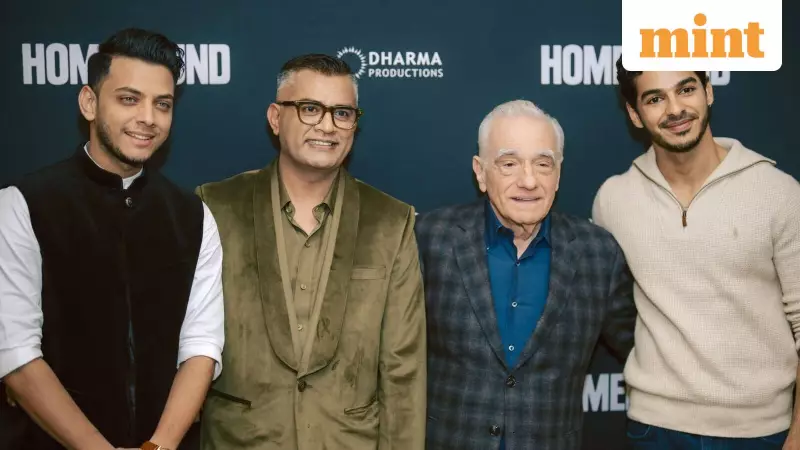
Gone are the days when Hollywood studios attempted to finance Indian cinema directly. The current model is more nuanced and personal. Legendary director Martin Scorsese recently served as executive producer for Dharma Productions' 'Homebound', a film shortlisted for the 98th Academy Awards. In another high-profile move, action maestro Michael Bay is set to collaborate with Vinod Bhanushali's Bhanushali Studios.
These collaborations offer creative heft and international credibility. As film producer Yusuf Shaikh notes, such mentors help Indian cinema experiment with new storytelling formats, technology, and visual effects—a necessity in the post-pandemic era where audiences have wider exposure to global content on OTT platforms.

At a New York screening, Scorsese expressed his enthusiasm for 'Homebound', stating he was "waiting for all of America" to watch this example of Indian independent cinema. He highlighted how streaming and theatrical releases make such films accessible to diverse cultures worldwide.
A Low-Risk, High-Impact Business Model
This evolved form of collaboration is strategically low-risk and high-impact. According to Charu Malhotra of Primus Partners, it's about individual filmmakers lending credibility and creative alignment, not studios running the business.
Hollywood figures typically do not invest significant capital or navigate India's complex distribution system. Yet, they gain exposure to a fast-growing market. Their association can significantly lift a film's valuation, improve overseas rights pricing, and secure better streaming deals. Compensation often involves a fee, backend participation, or a success-linked bonus, with the core intellectual property rights remaining firmly with the Indian producers.
Why the Old Studio Model Struggled
This personal approach marks a clear evolution from past attempts. Previously, major US studios like Paramount, Disney, and Universal entered India through capital-heavy models—co-financing films, distributing content, or setting up local offices. Many of these ventures struggled due to structural differences between the Indian and US markets.
Paramount Global exited India in April 2024, Disney shut down its Hindi film production arm in 2016, and Universal closed its India office in 2020. The failure of these top-down models has paved the way for the current, more flexible partnerships.
This trend extends beyond directors. Oscar-winning composer Hans Zimmer is co-composing music for the upcoming epic 'Ramayana', and previously, James Cameron publicly endorsed SS Rajamouli's 'RRR'. As trade analyst Girish Johar points out, with Hollywood's box office share rising in India, such one-on-one collaborations for expanding footprint make perfect business sense.