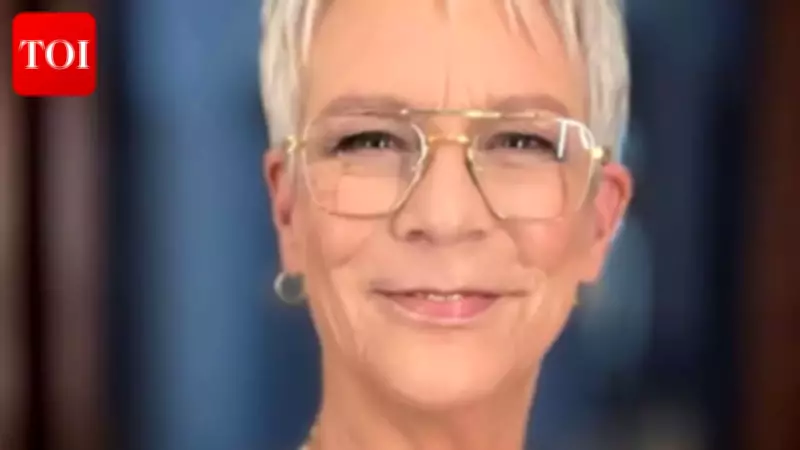
Jamie Lee Curtis Embraces Aging and Rejects Toxic Relationships
Hollywood icon Jamie Lee Curtis has opened up about how her attitude toward relationships has transformed throughout her decades-long career in show business. The actress, now in her 60s, stated she has no time to waste on toxic people or connections that do not serve her well-being.
A New Perspective After Turning 60
"I turned 60 and realized I was going to die sooner than later," Curtis told AARP magazine. "And that understanding meant I have no effing time to waste. No time to waste on toxic people, on relationships that don't serve me." This candid revelation highlights a significant shift in her personal philosophy as she navigates later life.
The daughter of Hollywood legends Tony Curtis and Janet Leigh, Jamie Lee Curtis has long been conscious of the entertainment industry's harsh treatment of older performers. She acknowledged this reality, noting that she has contemplated retirement since age 30 due to the industry's cruelty toward aging actors.

Embracing Freedom and Natural Appearance
After reaching her 60s, Curtis adopted a new approach, embracing what she calls newfound "freedom." She explained, "Accepting my crepey skin and showing it anyway - that's freedom. I understand what I look like. I look in the mirror. I get it. And there's no need for me to alter it." This stance represents a bold rejection of societal pressures to maintain a youthful appearance.
Critique of AI and Beauty Standards
Meanwhile, Jamie Lee Curtis has been an outspoken critic of what she terms the "cosmeceutical industrial complex" and the growing influence of artificial intelligence on beauty ideals. She believes AI technology has worsened the problem by promoting filtered appearances as desirable.
"I believe that we have wiped out a generation or two of natural human appearance," Curtis told The Guardian. "The concept that you can alter the way you look through chemicals, surgical procedures, fillers - there's a disfigurement of generations of predominantly women who are altering their appearances."
She added that AI aids this trend by making filtered faces the new standard. "The minute I lay a filter on and you see the before and after, it's hard not to go: 'Oh, well that looks better.' But what's better? Better is fake," Curtis remarked, pointing to recent media examples without naming specific individuals.
Her comments underscore a broader critique of how technology and industry norms shape perceptions of beauty and aging, particularly for women in the public eye.