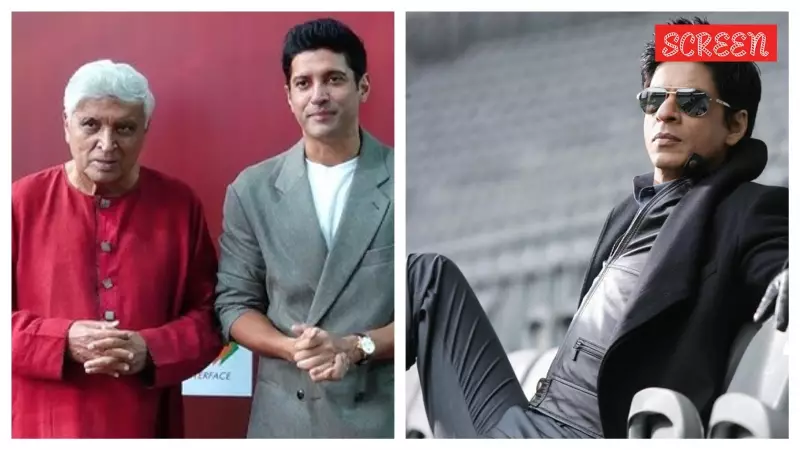
In a candid revelation that has stirred the Bollywood community, legendary lyricist and screenwriter Javed Akhtar has disclosed his decision to turn down a significant project. The veteran artist, known for his iconic contributions to Indian cinema, refused to pen songs for the much-anticipated sequel to the 1997 war film "Border." This move highlights his selective approach to filmmaking, even as the industry eagerly awaits "Border 2."
Javed Akhtar's Stance on Border 2
Javed Akhtar, whose career spans decades with memorable works in films like "Sholay" and "Deewaar," explained his refusal to participate in "Border 2." He emphasized that he only engages in projects that resonate with his creative vision and personal standards. According to Akhtar, the original "Border," directed by J.P. Dutta, was a landmark film that captured the essence of patriotism and sacrifice during the 1971 Indo-Pak war. He felt that revisiting such a narrative requires a fresh perspective, which he was not prepared to provide at this time.
This decision underscores Akhtar's commitment to quality over quantity, a principle that has defined his illustrious career. Fans and critics alike have noted that his absence might impact the musical appeal of "Border 2," given his past successes in crafting powerful, emotion-driven songs for war dramas.

Advice Against Remaking Don
In the same discussion, Javed Akhtar offered strong advice regarding the potential remake of the classic film "Don." He cautioned filmmakers against attempting to recreate the magic of the original, which starred Amitabh Bachchan in a legendary role. Akhtar argued that some films are timeless and should be preserved in their original form, as remakes often fail to capture the essence that made them iconic.
He pointed out that the 2006 remake of "Don," starring Shah Rukh Khan and directed by his son Farhan Akhtar, succeeded because it brought a contemporary twist while respecting the source material. However, Akhtar believes that further attempts might dilute the legacy of the franchise. His comments reflect a broader concern in Bollywood about the trend of remakes and reboots, urging creators to focus on original storytelling instead.
Praise for Shah Rukh Khan and Farhan Akhtar
Javed Akhtar did not hold back in praising the achievements of Shah Rukh Khan and his son Farhan Akhtar in the context of "Don." He commended Shah Rukh Khan for his portrayal in the 2006 version, noting how the actor brought his unique charisma to the role, making it a commercial and critical success. Akhtar highlighted that Khan's performance helped modernize the character while staying true to its roots.
Regarding Farhan Akhtar, Javed expressed pride in his son's directorial prowess. Farhan's vision for "Don" was lauded for its sleek execution and ability to appeal to a new generation of audiences. This father-son dynamic adds a personal layer to the discussion, as Javed Akhtar's insights come from both a professional and familial perspective.
Implications for Bollywood
Javed Akhtar's revelations have sparked conversations about creativity and legacy in Bollywood. His refusal to work on "Border 2" serves as a reminder of the importance of artistic integrity, especially in an era where sequels and remakes are increasingly common. By advising against a "Don" remake, he champions the preservation of cinematic classics, encouraging filmmakers to innovate rather than replicate.
These views resonate with many in the industry who advocate for original content. As Bollywood continues to evolve, voices like Akhtar's play a crucial role in shaping its future, balancing commercial demands with artistic values. His stance may influence upcoming projects, prompting a reevaluation of how beloved films are handled in modern adaptations.
In summary, Javed Akhtar's recent statements offer a glimpse into the mind of a seasoned artist navigating the complexities of Bollywood. His decisions and advice reflect a deep respect for cinema's history while pushing for forward-thinking creativity.