Jayamala Highlights Shift in Indian Cinema: Marriage No Longer a Career Barrier for Actresses
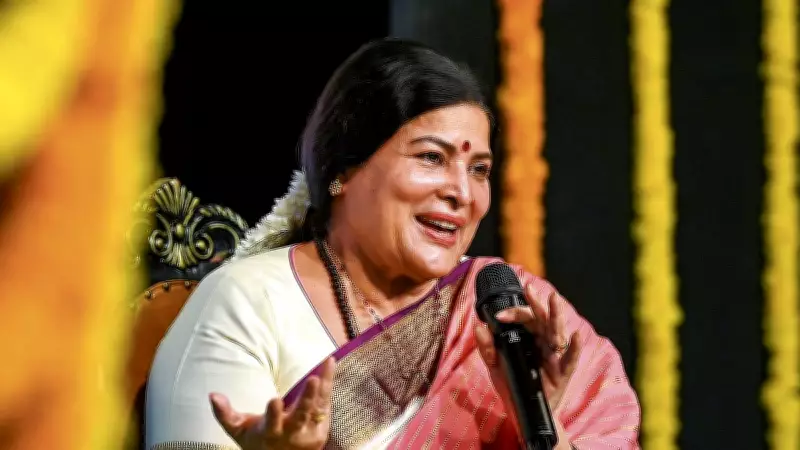
Kannada actress and former Karnataka minister Jayamala has made a significant observation about the evolving landscape of Indian cinema, stating that marriage no longer marks the end of careers for actresses. In a recent discussion, she emphasized how societal attitudes and industry dynamics have transformed over the years, allowing female performers to continue their professional journeys post-marriage.
Changing Societal Perceptions and Industry Support
Jayamala pointed out that in the past, actresses often faced immense pressure to retire or reduce their roles after getting married, due to traditional norms and audience expectations. However, she noted that this trend has shifted dramatically. Today, many married actresses are thriving in the industry, taking on diverse and challenging roles without facing the same career limitations. This change is attributed to a more progressive mindset among filmmakers, producers, and viewers, who now value talent and dedication over marital status.
"The industry has become more inclusive and supportive," Jayamala remarked, highlighting how production houses and directors are increasingly casting married actresses in lead and significant parts. This shift not only benefits the actresses but also enriches cinema with varied perspectives and experiences.

Examples of Successful Married Actresses
To illustrate her point, Jayamala cited several examples of actresses who have successfully balanced marriage and thriving careers. In Kannada cinema, stars like Radhika Pandit and Shruti Hariharan have continued to deliver acclaimed performances after marriage. Similarly, in Bollywood and other regional industries, actresses such as Vidya Balan, Kajol, and Nayanthara have maintained prominent positions, often receiving critical and commercial success.
This trend reflects a broader cultural shift where audiences are more accepting of actresses' personal lives, focusing instead on their artistic contributions. Jayamala emphasized that this acceptance is crucial for promoting gender equality and empowering women in the entertainment sector.
Impact on Career Longevity and Diversity
The normalization of married actresses in cinema has led to increased career longevity and diversity in storytelling. Actresses can now pursue long-term careers without fearing that marriage will cut short their opportunities. This has opened doors for more mature and nuanced portrayals of women on screen, moving beyond stereotypical roles. Jayamala believes that this progress is a positive step toward dismantling outdated biases and fostering a more equitable industry.
Moreover, she noted that this change encourages younger actresses to view marriage as a personal choice rather than a professional obstacle. It sends a powerful message that talent and hard work are the primary determinants of success, regardless of marital status.
Challenges and Future Outlook
While acknowledging the progress, Jayamala also mentioned that some challenges persist, such as occasional typecasting or biases in certain segments of the industry. However, she remains optimistic about the future, predicting that as societal norms continue to evolve, actresses will enjoy even greater freedom and opportunities.
In conclusion, Jayamala's insights underscore a significant transformation in Indian cinema, where marriage is no longer a career-ending event for actresses. This shift not only benefits the individuals involved but also contributes to a richer and more inclusive cinematic landscape.