Joy Mukherjee: The Enduring Charm of a 1960s Bollywood Icon
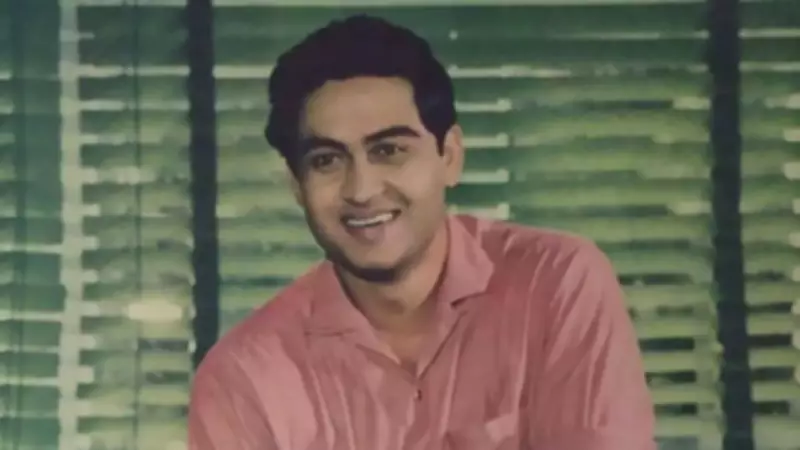
Hindi cinema in the 1960s was graced by a constellation of charismatic heroes, and among them, Joy Mukherjee shone with a distinctive, gentle brilliance. Renowned for his warm smile, effortless style, and a series of breezy romantic films, he emerged as a definitive youth icon of that optimistic decade. His journey from a sports-loving college student to a beloved star is a fascinating chapter in Bollywood history.
A Cinematic Legacy Born in Jhansi
Joy Mukherjee was born on February 24, 1939, in Jhansi, Uttar Pradesh, into a family where cinema flowed through his veins. He was the son of the celebrated film producer Sashadhar Mukherjee and belonged to a cinematic dynasty that included luminaries like Ashok Kumar and Kishore Kumar. Despite this prestigious lineage, Joy's path to stardom was not handed to him; he carved it out with persistent effort, natural charisma, and a string of musical blockbusters that continue to resonate with audiences today.
Growing up amidst filmmaking legends, expectations were naturally high. However, Joy did not rely solely on his family name. Instead, he cultivated a relaxed, contemporary persona that deeply connected with the younger generation. His expressive eyes and easy-going charm allowed him to stand out distinctly in an era often dominated by more intense, dramatic performers.

The Reluctant Actor's Unexpected Debut
In a surprising twist, acting was not Joy Mukherjee's initial ambition. As a college student, his passions leaned strongly towards sports, including wrestling, tennis, and football. When first offered a minor role in the 1960 film 'Hum Hindustani' to portray Sunil Dutt's younger brother, he outright declined the opportunity.
Producers, however, saw potential in him and persistently pursued him, gradually increasing the financial offer. It was only when the remuneration became sufficient to cover his college expenses that Joy finally agreed to take the part. Although the role was brief, it served as the crucial gateway into the world of cinema, setting the stage for his future stardom.
Rise to Stardom with Romance and Melody
Joy Mukherjee's true breakthrough arrived in the same year with the film 'Love in Shimla'. Its tremendous success catapulted him to leading man status almost overnight. He subsequently starred in a succession of popular entertainers celebrated for their catchy musical numbers and picturesque storytelling.
Iconic titles such as 'Phir Wohi Dil Laya Hoon', 'Love in Tokyo', 'Ek Musafir Ek Haseena', 'Shagird', and 'Ziddi' firmly cemented his image as the quintessential romantic hero of his time. These films were often adorned with unforgettable music scores, significantly contributing to their enduring appeal and nostalgic value for generations of viewers.
Later Career Shifts and Enduring Legacy
By the late 1960s, as a new wave of stars began to dominate the box office, Joy Mukherjee transitioned his focus towards direction and production in an effort to reinvent himself behind the camera. He directed and produced films like 'Humsaaya' and later 'Chhaila Babu', though these ventures did not achieve major commercial success. This period was followed by financial challenges, leading him to take on smaller projects in his later years.
Despite these professional setbacks, Joy Mukherjee's legacy in Indian cinema remains profoundly secure. He masterfully captured the spirited, hopeful essence of an era and delivered romantic narratives that continue to evoke deep nostalgia. For countless fans and film historians, he will forever be remembered as the smiling, charming hero who infused the 1960s with a sense of magic and youthful exuberance.