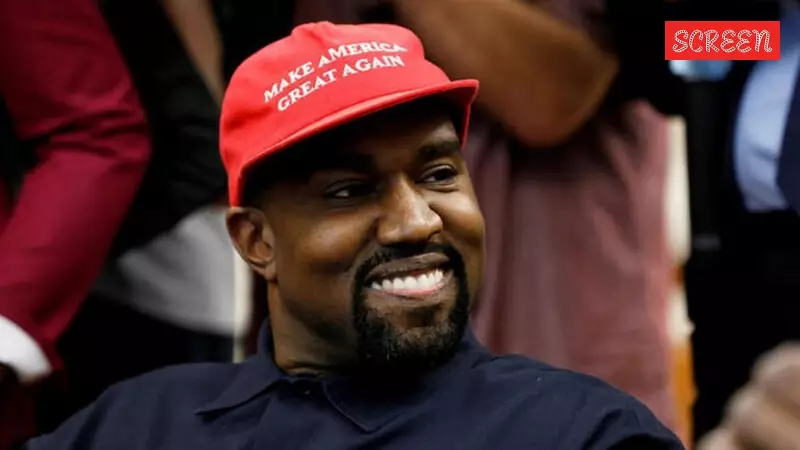
Rapper and producer Kanye West has found himself at the center of intense online scrutiny following his recent public apology for past anti-semitic remarks. The controversy erupted after West published a full-page apology in the Wall Street Journal, expressing deep remorse for his statements concerning the Jewish community. This gesture, while significant, has been met with skepticism from many internet users who question its timing, coinciding with the imminent release of his new album, 'Bully,' scheduled for January 30.
Kanye West's Defense Against Commercial Motives
In a candid interview with Vanity Fair, Kanye West directly addressed the allegations that his apology was strategically timed to boost album sales. He firmly denied any connection between the two events, emphasizing his current commercial success as evidence. West pointed to his impressive streaming statistics, stating, "It's my understanding that I was in the top 10 most listened-to artists overall in the U.S. on Spotify in 2025, and last week and most days as well."
Streaming Success and Album Anticipation
He further elaborated on his market position, noting that his upcoming album, 'Bully,' is already one of the most anticipated pre-saves on Spotify. Additionally, he highlighted the enduring popularity of his 2007 album, 'Graduation,' which was the most streamed hip-hop album of 2025. According to West, these achievements demonstrate that his apology is not driven by a need to revive his commercial appeal. He explained, "This, for me, as evidenced by the latter, isn't about reviving my commerciality. This is because these remorseful feelings were so heavy on my heart and weighing on my spirit."

Expressing Genuine Remorse and Responsibility
Kanye West reiterated his apology, specifically addressing the hurt caused to the Jewish and Black communities. He acknowledged that his past actions went too far and expressed a desire to align himself with positivity and love. Reflecting on his role as a public figure, West stated, "I look at the wreckage of my episode and realise that this isn't who I am. As a public figure, so many people follow and listen to my every word. It's important that they realise and understand what side of history that I want to stand on. And that is one of love and positivity."
Context of the Apology and Health Struggles
The apology referenced a 25-year-old incident and revealed that West has been diagnosed with bipolar disorder-1, a condition identified much later in his life. He attributed his past manic episodes, which included abusive anti-semitic comments on social media, public feuds with ex-partners, and controversial song releases like 'Heil Hitler,' to this mental health struggle. This disclosure has provided context for his previous behavior, offering fans a clearer understanding of his journey.
Public Reception and Future Implications
While the apology has clarified many aspects for Kanye West's supporters, the true test of public forgiveness may be reflected in the reception of his new album, 'Bully.' As the release date approaches, the music industry and fans alike are watching closely to see if this gesture of remorse will translate into renewed support or if skepticism will prevail. West's emphasis on his streaming success and personal growth suggests a complex narrative beyond mere commercial strategy, highlighting the ongoing dialogue about accountability and redemption in the entertainment world.