Congress Restructures Punjab Unit to Quell Dissent
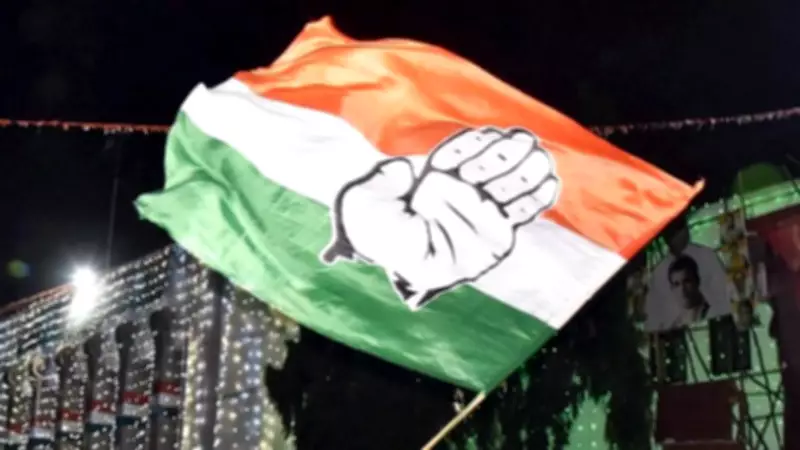
The Congress party has assigned crucial roles to senior leaders in Punjab, including Partap Singh Bajwa and Sukhjinder Randhawa, in a move to address the ongoing internal rift and strengthen the party ahead of upcoming elections. The decision was announced by the party high command on Monday, as per sources within the party.
Key Appointments Announced
Partap Singh Bajwa, a former Punjab Congress chief and Rajya Sabha MP, has been appointed as the chairman of the party's election campaign committee. Sukhjinder Randhawa, a former deputy chief minister and senior leader, has been made the working president of the Punjab Congress. Other senior leaders, including former state minister Brahm Mohindra and MLA Pargat Singh, have also been given key responsibilities.
The appointments come amid reports of factionalism within the Punjab Congress, with several leaders expressing dissatisfaction over the party's functioning. According to party insiders, the move is aimed at pacifying dissident leaders and ensuring unity before the next assembly elections.

Internal Rift and Leadership Concerns
The Congress has been grappling with internal strife in Punjab ever since Navjot Singh Sidhu resigned as state party chief in September 2023. Sidhu's resignation followed a power struggle with then Chief Minister Charanjit Singh Channi, which contributed to the party's defeat in the 2022 assembly elections. Since then, the party has struggled to present a united front, with various factions vying for influence.
According to a senior Congress leader who spoke on condition of anonymity, "The high command has realized that without addressing the internal differences, the party cannot effectively challenge the ruling Aam Aadmi Party (AAP) and the Shiromani Akali Dal (BJP) combine." The leader added that the new appointments are expected to bring stability and coordination.
Strategic Implications for Upcoming Elections
Punjab is scheduled to hold its next assembly elections in 2027, but the Congress is already gearing up for local body polls and by-elections. The party hopes that involving senior leaders like Bajwa and Randhawa, who have significant influence in their respective regions, will help consolidate the party's base and attract voters.
Political analysts view this as a damage control exercise by the Congress high command. "By giving key roles to Bajwa and Randhawa, the party is trying to balance regional and caste equations," said Dr. Harinder Singh, a political science professor at Punjabi University, Patiala. "Bajwa has a stronghold in the Malwa region, while Randhawa represents the Doaba region. This could help the party regain lost ground."
Reactions from Within the Party
While the appointments have been welcomed by some, others remain skeptical. Former MLA and Congress leader Raj Kumar Verka said, "This is a positive step, but the party needs to ensure that all leaders work together. The high command must also address the concerns of grassroots workers." On the other hand, a faction led by former minister Tript Rajinder Singh Bajwa has expressed displeasure, claiming that the new roles ignore their contributions.
Meanwhile, the ruling AAP in Punjab has dismissed the Congress's moves as "too little, too late." AAP spokesperson Malvinder Singh Kang said, "The Congress is a sinking ship and these appointments are just a desperate attempt to stay afloat. The people of Punjab have rejected their divisive politics."
Way Forward for Congress in Punjab
As the Congress attempts to rebuild its organization in Punjab, the success of these appointments will depend on the ability of the senior leaders to work cohesively. The party also faces the challenge of countering the AAP's popularity, which has been bolstered by welfare schemes and governance initiatives.
Congress leaders are hopeful that the new structure will bring discipline and focus. "We are committed to strengthening the party from the booth level upwards," said Partap Singh Bajwa in a statement. "Our aim is to present a strong alternative to the people of Punjab."