The Kerala Story 2 Faces 16 Cuts by Censor Board, Rape and Kissing Scenes Trimmed
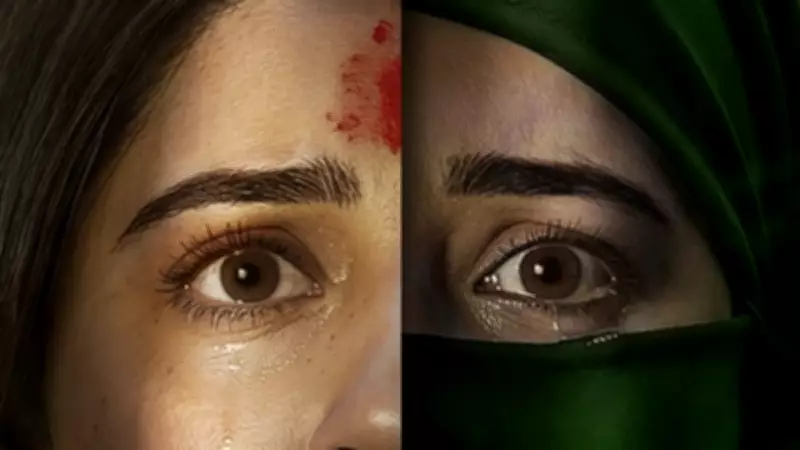
The highly anticipated sequel, The Kerala Story 2, has encountered significant censorship hurdles, with the Central Board of Film Certification (CBFC) mandating a total of 16 cuts before its release. This decision has ignited widespread discussions regarding the boundaries of artistic expression and regulatory oversight in the Indian film industry.
Details of the Censorship Order
According to official reports, the CBFC has specifically targeted scenes depicting rape and kissing, ordering them to be trimmed or modified. The board cited concerns over explicit content and potential societal impact as the primary reasons for these interventions. Filmmakers are now required to edit these sequences to comply with the guidelines, which could alter the narrative flow and emotional depth of the movie.
Impact on the Film's Release
The mandatory cuts are expected to delay the release of The Kerala Story 2, as the production team works to implement the changes. Industry insiders suggest that such censorship could affect the film's box office performance and critical reception, given the original's controversial themes. The sequel aims to build on the success of its predecessor, which sparked debates on sensitive social issues.

Broader Implications for Indian Cinema
This incident highlights ongoing tensions between filmmakers and regulatory bodies in India. Advocates for creative freedom argue that excessive censorship stifles artistic innovation, while supporters of the CBFC emphasize the need to protect audiences from potentially harmful content. The case of The Kerala Story 2 adds to a growing list of films facing similar scrutiny, raising questions about the future of film certification in the country.
Public and Industry Reactions
Reactions to the CBFC's decision have been mixed. Some viewers and critics express disappointment, fearing that the cuts may dilute the film's intended message. Others support the board's actions, citing the importance of maintaining decency standards in cinema. The debate continues to unfold on social media and in industry circles, with calls for a more transparent and balanced approach to film certification.
As The Kerala Story 2 navigates these challenges, its journey through the censorship process serves as a poignant reminder of the complex interplay between art, regulation, and societal values in contemporary Indian filmmaking.