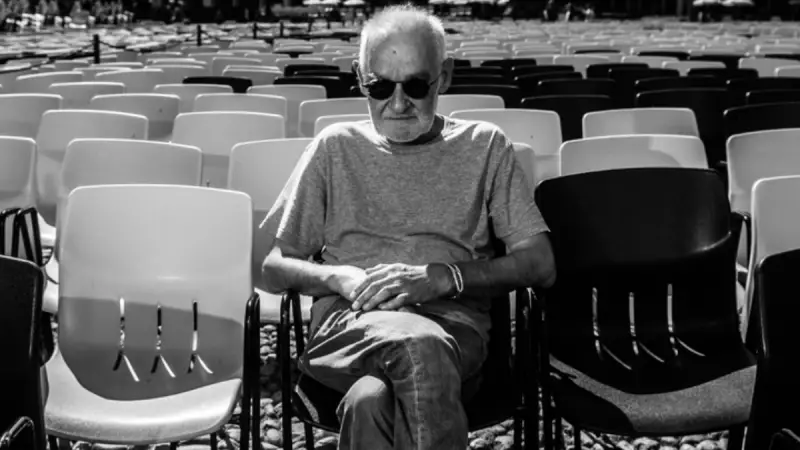
The world of cinema has lost one of its most distinctive and uncompromising voices. Bela Tarr, the celebrated Hungarian filmmaker, has passed away at the age of 70. His death was confirmed on Monday, January 6, 2026, marking the end of an era for arthouse and world cinema. Tarr was renowned for his visually stunning, philosophically dense, and often bleakly beautiful films that explored the human condition with unflinching honesty.
A Storied Career Defined by Unique Vision
Bela Tarr's journey in filmmaking began in the late 1970s. His early works, like Family Nest (1979), were rooted in a gritty, social realist style. However, it was in the subsequent decades that he forged his signature aesthetic—characterized by long, meticulously choreographed black-and-white shots, haunting scores, and a profound, often melancholic narrative pace.
His filmography, though not extensive, is considered monumental. Key works that cemented his status as a master include Damnation (1988), a tale of betrayal and despair in a rain-soaked industrial town, and the epic Satantango (1994), a seven-hour saga set in a collapsing collective farm. Satantango is often hailed as one of the greatest films ever made, a hypnotic and immersive experience that demands and rewards patient viewing.

His final feature film, The Turin Horse (2011), a stark and powerful meditation on existence and decay, won the Silver Bear Grand Jury Prize at the Berlin International Film Festival. Following this, Tarr announced his retirement from filmmaking, dedicating his later years to teaching and running the film.factory workshop at the Sarajevo Film Festival.
Legacy and Influence on Global Cinema
The impact of Bela Tarr's work extends far beyond Hungary's borders. He is a towering figure in European auteur cinema, influencing countless contemporary directors and cinematographers worldwide. His approach to time, composition, and atmosphere created a unique cinematic language that few could imitate but many aspired to.
Tarr's films were not mainstream entertainments; they were profound artistic statements that challenged audiences. They delved into themes of:
- Existential despair and human resilience
- The decay of social and political systems
- The raw, unforgiving power of nature
- The poetry found in mundane, repetitive life
His passing is being mourned by film critics, scholars, and cinephiles across the globe, particularly in India where his work has a dedicated following among lovers of world and parallel cinema. Film festivals and institutes in India have often screened his works, studying his techniques and philosophical depth.
An Irreplaceable Voice Falls Silent
Bela Tarr's death leaves a void in the landscape of international filmmaking. He was a true artist who remained fiercely independent, refusing to compromise his vision for commercial appeal. While he has left the physical world, his cinematic legacy—a collection of intense, beautiful, and challenging films—ensures his voice will continue to resonate for generations.
He is survived by his contributions to the art of film, which stand as a masterclass in visual storytelling, patience, and depth. The film community, from Budapest to Hollywood and Mumbai, remembers him not just as a director, but as a visionary who expanded the possibilities of what cinema could be.