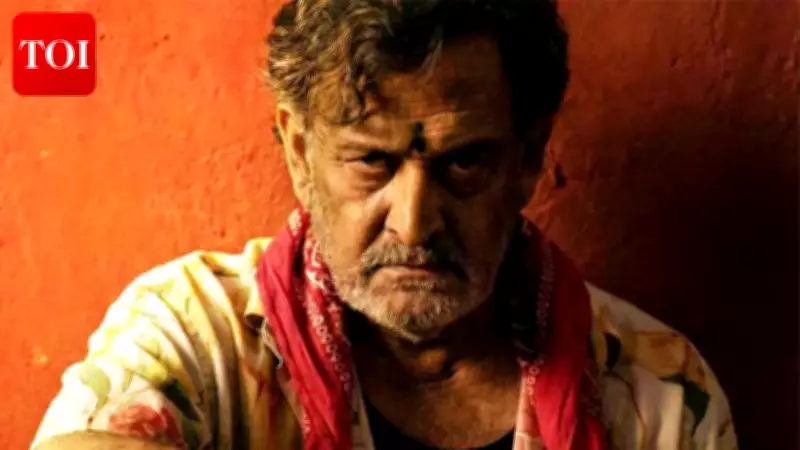
Mahesh Manjrekar Exposes the Harsh Realities of Mumbai's Dream Chasers in New Play
Veteran actor and filmmaker Mahesh Manjrekar has opened up about the often-overlooked struggles faced by individuals pursuing their ambitions in Mumbai. While promoting his latest Hindi stage production titled 'Animal', Manjrekar shared insights into the emotional depth and real-life inspirations behind the play. Known for his roles in popular films like 'Dabangg', he emphasized that the journey of chasing dreams in the city is typically far less glamorous and more isolating than commonly perceived.
The Genesis and Themes of 'Animal'
In a detailed interview, Manjrekar revealed that 'Animal' was born from years of observing young hopefuls arriving in Mumbai with aspirations shaped by Bollywood fantasies. He described how these experiences molded the play's emotional core and its central character, Dattu. According to reports from The Free Press Journal, Manjrekar reflected on the themes of ambition, survival, and disillusionment that define the narrative.
The play marks another successful collaboration between Manjrekar and theater producer Ashvin Gidwani, following their earlier hit 'Double Deal'. 'Animal' has already garnered significant attention for its intense, actor-driven storytelling, which delves into the psyche of a small-town newcomer navigating the complexities of urban life.

Plot and Performance Structure
'Animal' centers on Dattu, a young man hailing from a small town near Pandharpur in Maharashtra, who moves to Mumbai with hopes of building a name for himself. Initially filled with confidence in both the city and his own talents, Dattu's journey gradually transforms into a brutal fight for survival as he confronts the harsh realities of metropolitan existence.
The performance is structured as a solo act, with Mahesh Manjrekar taking the stage alone to portray Dattu. In this unique setup, the character speaks directly to the city, an imagined audience, and his own conscience, blurring the lines between theatrical performance and personal confession. After nearly nine years of meticulous preparation, Manjrekar brings this project to life, serving as both the lead actor and director.
Emotional Roots and Real-Life Connections
While discussing the emotional underpinnings of the story, Manjrekar explained that 'Animal' mirrors the silent, repetitive struggles many newcomers endure upon arriving in Mumbai with big dreams. He stated, "When I read Animal, I didn’t see just Dattu; I saw every young boy who arrives in Mumbai with a suitcase full of dreams and pockets full of hope. I have lived long enough in this industry to know that struggle is not dramatic; it is silent, repetitive, and humbling."
Although the character is not a direct representation of his own life, Manjrekar noted that the feelings embedded in the role stem from genuine experiences within the entertainment industry. He highlighted how the desire to prove oneself, the pain of rejection, and the profound loneliness that can persist even in a densely populated city all contributed to shaping Dattu's persona.
For Manjrekar, drawing from authentic life experiences remains a cornerstone of his creative methodology. He believes that these real-world elements are what infuse the character of Dattu with honesty and believability, making the performance resonate deeply with audiences.
Impact and Broader Cultural Significance
This play not only serves as a poignant commentary on the trials of aspiring artists but also underscores the broader cultural narratives surrounding migration and ambition in India. By focusing on the unspoken hardships, Manjrekar aims to shed light on the resilience required to navigate Mumbai's competitive landscape.
The production has sparked conversations about the often-romanticized perception of success in metropolitan centers, encouraging a more nuanced understanding of the sacrifices involved. As 'Animal' continues to draw audiences, it stands as a testament to the power of theater in reflecting societal truths and fostering empathy.