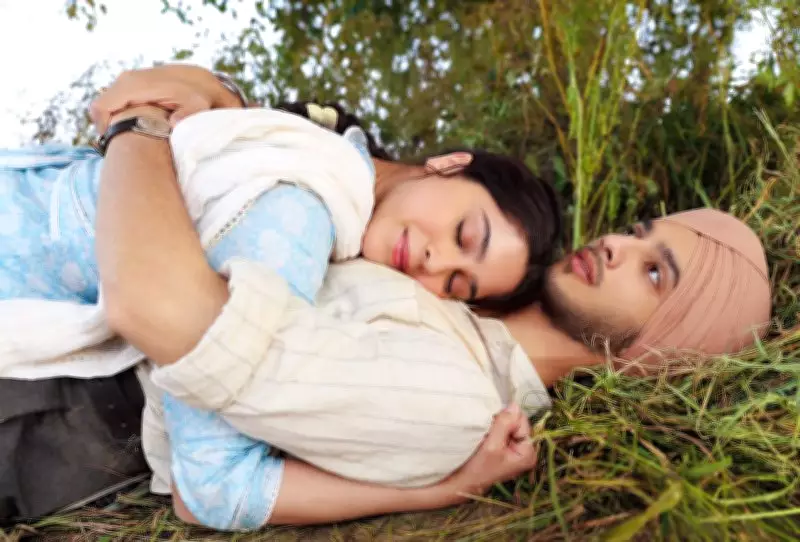
Imtiaz Ali's latest film, 'Main Vaapas Aaunga', transcends typical cinema by quietly bringing back people thought lost, according to a review by Kanwal Singh for The Tribune. The film, set around the Partition of India, serves as both a love story and a requiem for peace.
Plot and Emotional Core
On the surface, the film follows Nirvair Singh, played by Diljit Dosanjh, as he searches for his grandfather's lost love. However, as the review notes, it also explores the quiet responsibility of grandchildren to preserve stories that might otherwise disappear. Watching the film, the reviewer felt transported back to sitting beside his own grandfather, listening to stories of Partition, migration, and longing for a home now in Pakistan-occupied Jammu and Kashmir.
Naseeruddin Shah plays Gurcharan Singh, the grandfather struggling against memory erosion. The reviewer describes him as the emotional center of the film, bringing both warmth and quiet heartbreak to the role, often feeling less like an actor and more like an elder recounting his own life.

Cultural and Linguistic Heritage
The film moves fluidly between Urdu, Punjabi, Hindi, and English, drawing on a deeper cultural inheritance that echoes the writings of Bhagat Kabir. The reviewer emphasizes that before borders and identities hardened, people shared languages, poetry, and folklore. He recalls his own grandfather, who could read and write Urdu fluently and taught the language to his grandchildren, noting that Partition displaced not only people but also cultures and ways of life.
Partition's Enduring Legacy
The reviewer, a third-generation Partition survivor, joined the 1947 Partition Archive's oral histories programme after his grandfather's death. The archive, founded over a decade ago, has recorded testimonies of more than 10,000 survivors and contributed to the film's research. The review notes that longing may be one of Partition's most enduring legacies—not always for a place, but for a time, relationship, or version of life that no longer exists.
Watching the film, the reviewer was reminded that when memory recedes, it often clings to what remains unfinished. He reflects that if his grandfather were alive, he would have taken him to see the film, not to heal old wounds, but because he would have recognized himself in it.
Impact and Reflection
The film makes viewers grieve for places they have never seen, miss people they never knew, and carry memories that were never entirely their own. By the closing moments, accompanied by Diljit Dosanjh's haunting song, the film leaves a renewed awareness of shared humanity. The reviewer poses a troubling question: if we continue to remember the pain of Partition nearly eight decades later, why do we remain indifferent to the suffering and displacement unfolding today?