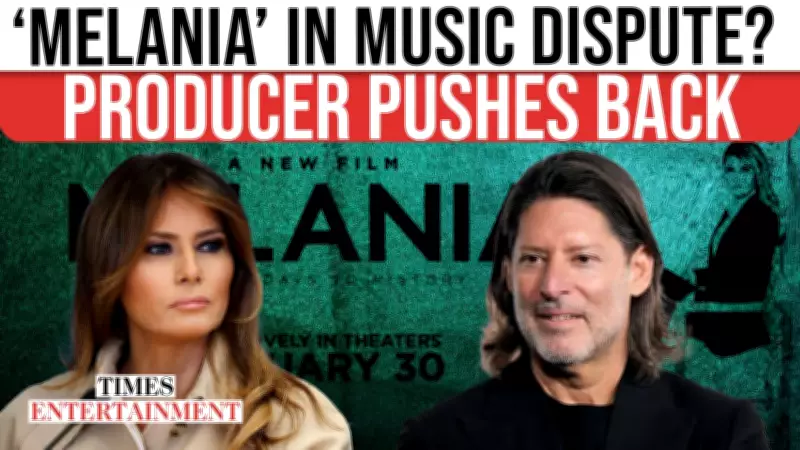
Melania Documentary Producer Fires Back at Phantom Thread Team Over Music Rights Dispute
The production of the controversial Melania documentary has been plunged into a fresh legal and public relations battle. Phantom Thread composer Jonny Greenwood and acclaimed director Paul Thomas Anderson have raised serious concerns regarding the use of music in the film, alleging potential breaches of contractual agreements.
Allegations and Counterclaims Escalate Rapidly
According to sources close to Greenwood's camp, there appears to be a significant violation of the composer's original agreement concerning the licensing and usage of his musical compositions within the documentary. This has prompted formal inquiries and potential legal actions aimed at addressing the alleged infringement.
However, producer Marc Beckman has launched a fierce and unequivocal rebuttal against these accusations. In a strongly worded statement, Beckman labeled the claims as nothing short of a 'blatant lie'. He insists that all necessary music rights were meticulously and legally secured well in advance of production, with proper documentation and contracts firmly in place.

Contracts, Legal Statements, and Financial Stakes Intensify the Conflict
The dispute is rapidly escalating beyond mere public statements. Key elements now in play include:
- Detailed Contracts: Both parties are reportedly scrutinizing the original composer agreement and subsequent licensing documents.
- Formal Legal Statements: Legal teams are preparing official communications that could precede litigation.
- Box Office Implications: With the documentary's release and financial performance at stake, the outcome of this dispute could have tangible commercial consequences.
This confrontation highlights the often-complex and high-stakes nature of music licensing in film and documentary production, where intellectual property rights are paramount.
A Broader Context of Controversy
The Melania documentary has been no stranger to controversy since its inception. This latest clash with the prestigious Phantom Thread team—Greenwood is an Oscar-nominated composer, and Anderson is a revered filmmaker—adds a significant layer of professional and artistic discord to the project's narrative.
As both sides dig in, the entertainment industry watches closely. The resolution of this dispute will not only affect the immediate parties involved but could also set precedents for how music rights are negotiated and enforced in documentary filmmaking moving forward.