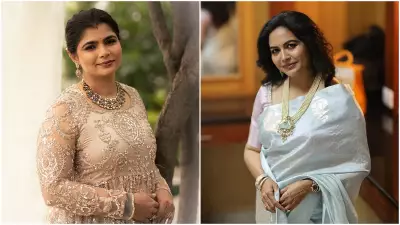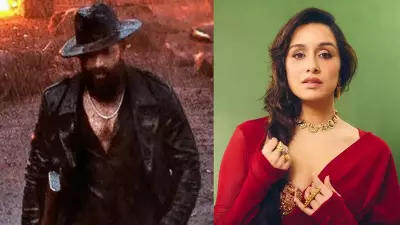
In a disturbing development that highlights ongoing safety concerns for performers, Bengali actor-politician Mimi Chakraborty has come forward with allegations of harassment during a stage performance in Bongaon. This revelation comes just days after fellow actor Mouni Roy detailed her own traumatic experience at an event in Karnal, pointing to a troubling pattern of misconduct toward artists in public settings.
Mimi Chakraborty's Harassment Allegations and Legal Response
Mimi Chakraborty, known for her work in films like Sudhu Tomar Jonyo, Kelor Kirti, and Proloy, shared her ordeal through a social media post on Republic Day. She described being invited to perform at an event organized by the Naya Gopal Gunj Yubak Sango Club in Bongaon, where she faced what she termed as public humiliation and defamation.
"Mid-performance, I was abruptly asked to leave the stage without any prior communication, in front of the audience," Chakraborty wrote. "There were many people waiting to see me and meet me, including fans who had come for a picture. Leaving the stage that way, followed by derogatory remarks on the microphone, was not just humiliating, it defamed me publicly."

Taking a Stand for Dignity and Artistic Freedom
Emphasizing the importance of respect for artists, Chakraborty stated that she has now taken the matter to legal authorities. "I have built my image and career on my own over the years. Staying silent today would only normalise the humiliation of artists," she asserted. Her post concluded with a powerful declaration: "Dignity on stage is non-negotiable."
This move underscores a growing trend among public figures to seek legal recourse against harassment, rather than remaining silent. Chakraborty's decision to speak out aligns with broader conversations about gender equality and safety in the entertainment industry.
Context: Mouni Roy's Recent Harassment Incident in Karnal
Chakraborty's allegations follow closely on the heels of actor Mouni Roy's account of harassment at a wedding in Karnal, Haryana. Roy described facing inappropriate touching and lewd comments from attendees, including older men who made vulgar gestures during her performance.
"As the event started and I walked towards the stage, uncles and family members (all men) put their hands on my waist to click pictures," Roy shared on Instagram. "On stage is even a better story. Two uncles stood right front making lewd remarks showing me lewd hand gestures, name calling."
Despite her attempts to address the behavior politely, Roy noted that the harassment continued, with no intervention from organizers or family members present. Her experience, which left her "humiliated and traumatized," has sparked outrage and calls for accountability.
Broader Implications for Event Safety and Artist Protection
These back-to-back incidents raise serious questions about the safety protocols at public events and the treatment of performers, particularly women. Key issues highlighted include:
- Lack of Organizer Responsibility: Both Chakraborty and Roy reported that event organizers failed to intervene or prevent the harassment.
- Public Defamation: Chakraborty's case involved derogatory remarks made over a microphone, amplifying the humiliation.
- Legal Recourse: Chakraborty's decision to pursue legal action sets a precedent for holding perpetrators and organizers accountable.
- Cultural Norms: The incidents reflect deeper societal issues regarding respect for artists and gender-based harassment.
As these stories gain attention, they underscore the urgent need for stricter regulations and better enforcement of codes of conduct at public gatherings. The entertainment industry, along with legal frameworks, may need to evolve to better protect artists from such violations.
In conclusion, Mimi Chakraborty's legal action and public statement, following Mouni Roy's allegations, mark a significant moment in the fight for dignity and safety on stage. These cases serve as a stark reminder that harassment remains a pervasive issue, demanding collective action and systemic change to ensure that artists can perform without fear of humiliation or abuse.