The Unlikely Path to Superstardom: Mohanlal's Defining Moment
In the annals of Malayalam cinema, few stories are as captivating as the rise of Mohanlal to superstardom, a journey that began with a film initially rejected by his contemporary, Mammootty. This pivotal moment, rooted in a gangster drama shot in just 32 days on a modest budget of Rs 40 lakh, not only defied industry skepticism but also reshaped the landscape of Indian cinema forever.
A Tale of Two Icons: Mohanlal and Mammootty's Enduring Legacy
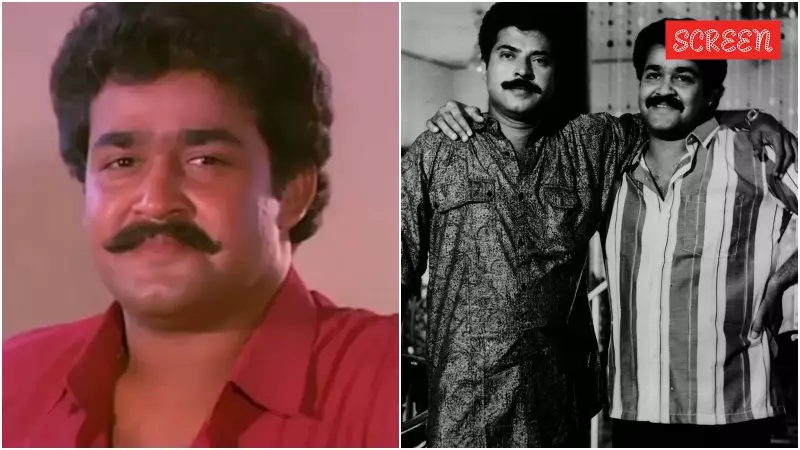
Mohanlal and Mammootty, two titans of Malayalam cinema, have dominated the industry for over four decades since their debuts in 1980. Their careers, marked by hundreds of films across multiple languages and numerous National and Kerala State Film Awards, stand as a testament to their unparalleled talent and resilience. While both achieved superstardom through scripts by the same screenwriter, Dennis Joseph, it was a particular project that set Mohanlal on an unstoppable trajectory.
The Genesis of Rajavinte Makan: A Script Born from Crisis
The story of Rajavinte Makan begins with director Thambi Kannanthanam, who was in dire straits after the failure of his Mammootty-starrer Aa Neram Alppa Dooram in 1985. With no producers willing to back him, Thambi turned to screenwriter Dennis Joseph, who pitched a bold gangster film centered on an antihero. Dennis believed Mammootty was the perfect fit, but the actor, still reeling from their previous collaboration's failure, outright refused, even making remarks that hurt Thambi. Undeterred, Thambi decided to produce the film himself, selling his car and pawning ancestral properties to fund it.

Mohanlal's Leap of Faith: Signing Without Hearing the Story
With Mammootty out of the picture, Thambi approached Mohanlal, who, despite having no prior association with Dennis, agreed to star in the film without even hearing its story. This act of trust laid the foundation for Rajavinte Makan. Dennis completed the script in a mere five to six days, and casting began. Mohanlal was set to play Vincent Gomes, the antihero crime boss, while Ratheesh took on the role of Home Minister CK Krishnadas. For the crucial female lead, Advocate Ancy, Thambi chose Ambika, a star who had already worked with Rajinikanth and Kamal Haasan in Tamil cinema.
Budgetary Challenges and Star Remuneration
The production faced financial hurdles from the start. Ambika's mother initially demanded Rs 1.25 lakh for her role, a significant sum given the tight budget. However, a few days into filming, Ambika graciously reduced her fee to Rs 1 lakh, matching Mohanlal's remuneration. This gesture provided much-needed relief to Thambi, who was struggling to complete the project. The entire film was shot in 32 days, a testament to the team's efficiency and dedication.
Industry Skepticism and Universal Acclaim
Despite the rapid production, the Malayalam film industry was deeply skeptical of Rajavinte Makan. Many doubted Thambi's direction, labeling him a "flop director," and questioned whether audiences would accept Mohanlal in such a dark, antihero avatar. Yet, from its very first show, the film received universally positive reviews, silencing critics and captivating viewers. Mounted on a budget of Rs 40 lakh, it reportedly collected Rs 80-85 lakh at the box office, a remarkable feat given the low ticket prices of the era.
The Aftermath: A Legacy Cemented
Rajavinte Makan not only catapulted Mohanlal to instant superstardom but also became a cultural phenomenon, later remade in various languages. For Mohanlal, this film marked the beginning of a 40-year reign over Malayalam cinema, solidifying his status as an undisputed pillar of the industry. The story of its creation—from Mammootty's rejection to Mohanlal's unwavering commitment—remains a powerful narrative of risk, resilience, and cinematic triumph.
Today, as Mohanlal and Mammootty continue to race ahead at full throttle, their legacies are intertwined with this defining chapter, reminding us that sometimes, the greatest successes arise from the most unexpected rejections.