Mumtaz's Heartfelt Tribute to Rajesh Khanna's Aashirwad Bungalow
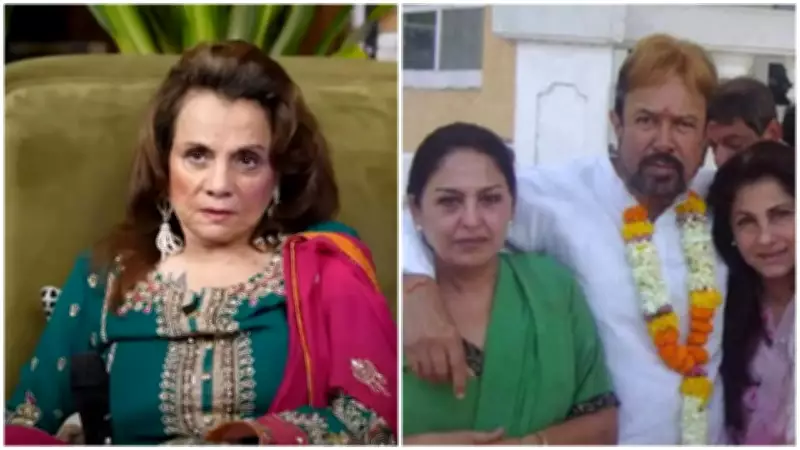
Veteran Bollywood actress Mumtaz has opened up about the profound emotional impact of losing Rajesh Khanna's legendary bungalow, Aashirwad. In a candid conversation, she described the property as a "monument" and confessed that its fate continues to affect her deeply, years after the superstar's passing.
Emotional Attachment to a Bollywood Landmark
Mumtaz revealed that Aashirwad holds immense sentimental value for her, stating, "It did hurt me. Even today, when I see that building, I say, 'This was my hero's house.'" She emphasized that the bungalow was more than just a residence—it was a significant landmark in Mumbai's film industry history. "It was such a big landmark—it was like a monument," she added, highlighting its cultural importance.
Proximity and Personal Connections
The actress shared that her own home, which she purchased from legendary actress Meena Kumari, was located very close to Aashirwad on Carter Road. This proximity allowed her to visit Khanna frequently. "I used to go there very often," she recalled, fondly remembering the warmth she received from Khanna and his then-partner Anju Mahendru.

"When Anju was with him, she would call me over and make me sit. Even when I got engaged to Mayur, I would take him along," Mumtaz said. She praised their hospitality, noting, "Kaka and Anju would take such good care of us—'Have this, eat that.' People in the film industry are very large-hearted."
The Dream of a Museum That Never Was
Mumtaz expressed disappointment over the sale of Aashirwad, revealing that there were once plans to preserve it as a museum. "That was the dream—that it would become a museum after his passing. But after he passed away, I don't know why it was sold," she said. While she heard rumors about internal issues, she refrained from speculating, stating, "When you don't know the truth, you shouldn't comment."
Lasting Bonds and Emotional Nature
Describing herself as a deeply emotional person, Mumtaz emphasized that her connections in the film industry are enduring. "I'm a very emotional person. When I love someone or become friends, it's forever. I was very close to Anju and Kaka," she shared, underscoring the lasting impact of these relationships.
Working with Rajesh Khanna: Professional Understanding
Beyond personal memories, Mumtaz also reflected on her professional experiences with Rajesh Khanna, including his well-known habit of arriving late on set. "No, because he would come and complete his work. With Rajesh Khanna, we had an understanding. I knew he would come late, but he would finish his work," she explained.
She adapted her schedule accordingly, often shooting her solo scenes first. "The director would take my solo shots first. I would even ask, 'Should I perform this at a high pitch or low?' and do it accordingly," Mumtaz said. "Then when he came, we would do the combined shots. After that, my pack-up was done. I used to tell him, 'My close-ups are done, you do your part now. You came late—I'm leaving.'"
Mumtaz's recollections paint a vivid picture of a bygone era in Bollywood, where personal bonds and professional respect coexisted, and iconic landmarks like Aashirwad symbolized the industry's golden age.