Naseeruddin Shah Questions Mumbai University 'Disinvite' and Criticizes 'Vishwaguru' Politics
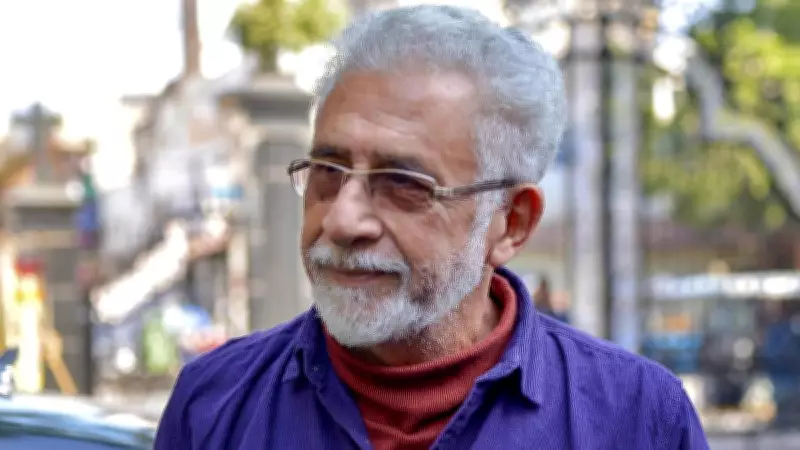
Veteran actor Naseeruddin Shah has publicly expressed his disappointment and criticism regarding a recent incident involving Mumbai University, where he was reportedly disinvited from an event. In a statement that has sparked widespread discussion, Shah questioned the current political climate in India, particularly targeting what he referred to as 'Vishwaguru' politics.
Shah's Statement on the Disinvitation
According to Shah, the university initially informed him that his attendance was not required, but later added insult to injury by announcing that he had refused to be present. 'The university, after informing me that I needn't attend... decided to rub a little salt in by announcing that I had refused to be there,' Shah wrote. This move has been interpreted by many as a deliberate attempt to misrepresent the situation and shift blame onto the actor.
Criticism of 'Vishwaguru' Politics
In his remarks, Shah did not hold back in criticizing the broader political narrative in India, specifically the concept of 'Vishwaguru' or world teacher, which is often used to describe India's global leadership aspirations. He implied that such politics are contributing to a societal shift that he finds troubling. Shah's comments reflect a growing concern among some public figures about the direction of Indian society and governance.

Background and Context
Naseeruddin Shah, known for his outspoken views and distinguished career in Indian cinema, has often been vocal about social and political issues. This incident at Mumbai University is not an isolated one; it highlights ongoing tensions between cultural institutions and individuals who express dissenting opinions. The actor's statement, 'This is not country I grew up in,' underscores a sense of alienation and change that he perceives in contemporary India.
Public and Media Reaction
The news has garnered significant attention from both the public and media, with many debating the implications of such disinvitations and the state of free expression in educational institutions. Key points of discussion include:
- The role of universities in fostering open dialogue.
- The impact of political ideologies on cultural events.
- The treatment of celebrities who voice critical opinions.
As this story develops, it continues to raise important questions about tolerance, diversity of thought, and the evolving landscape of Indian democracy.