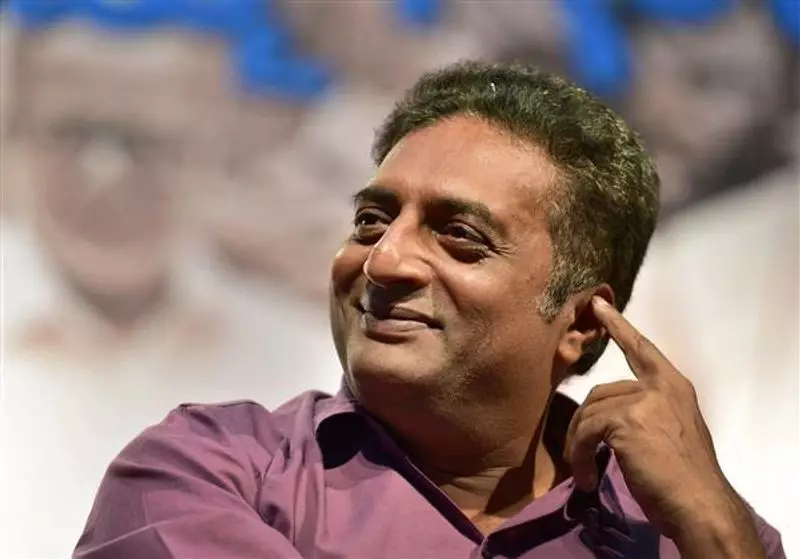
Veteran actor Prakash Raj has ignited a significant debate within the Indian film industry with his recent critical remarks about the current state of Hindi cinema. In a candid statement, he expressed deep concern over what he perceives as a decline in the authenticity and cultural grounding of Bollywood productions. According to Raj, modern Hindi films have strayed far from their traditional roots, becoming increasingly superficial and driven primarily by commercial interests rather than artistic integrity.
A Stark Critique of Contemporary Bollywood
Prakash Raj, known for his versatile roles across Indian cinema, did not mince words when he described today's Hindi films as "fake" and overly focused on monetary gains. He emphasized that this shift has led to a loss of the genuine storytelling that once defined the industry. Raj pointed out that in the pursuit of box office success, many filmmakers are compromising on substance, resulting in movies that lack emotional depth and cultural relevance. This trend, he argued, is alienating audiences who crave more meaningful and relatable content.
The Impact on Indian Cinema's Identity
Raj's comments highlight a broader issue facing the entertainment sector in India. He suggested that the obsession with financial returns has overshadowed the creative essence of filmmaking, leading to a homogenization of content. This, in turn, risks eroding the unique identity that Hindi cinema has built over decades. The actor called for a collective effort to revive the industry's core values, urging filmmakers to prioritize authenticity over profitability. He believes that by reconnecting with India's rich cultural heritage, Bollywood can produce works that resonate more deeply with both domestic and international viewers.

Reactions and Industry Implications
While Prakash Raj's remarks have sparked mixed reactions, they have undeniably brought attention to ongoing discussions about the direction of Hindi films. Some industry insiders agree with his assessment, noting that commercial pressures often stifle innovation and diversity in storytelling. Others, however, defend the current landscape, arguing that it reflects evolving audience preferences and global market dynamics. Regardless, Raj's critique serves as a reminder of the need for balance between artistic expression and economic viability in cinema.
In conclusion, Prakash Raj's bold statements challenge the Hindi film industry to reflect on its priorities and strive for a more grounded approach. As debates continue, his words may inspire a renewed focus on creating films that are not only commercially successful but also culturally significant and true to their roots.