Daniel Radcliffe Advocates for Mandatory Therapy for Child Actors
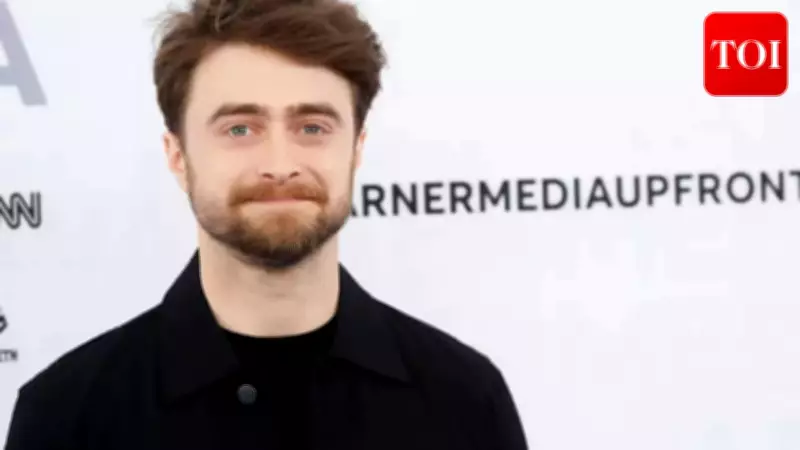
Daniel Radcliffe, the actor who rose to global fame as a child playing Harry Potter, is speaking out about the harsh realities of growing up in the spotlight. Now 36, Radcliffe is calling for mandatory therapy for child actors, arguing it is a critical need in the entertainment industry.
The Mental Toll of Child Stardom
In a recent interview with Bustle for their 'One Nightstand With Daniel Radcliffe' series, Radcliffe opened up about the significant mental health challenges faced by young performers. He emphasized that regular therapy should not be optional but rather a built-in part of the system from the very beginning of a child actor's career.
Radcliffe was blunt in his assessment, stating that therapy for child actors should be required, not merely suggested. He pointed out that the common perception of these children living a perfect dream with wealth and fame often masks the real stress and emotional struggles occurring behind the scenes.

"The illusion that child stars are living a perfect dream can be crushing behind the scenes, which is exactly why therapy should be built into the system," Radcliffe said. He highlighted the dangerous mindset that prevents young actors from seeking help, as they feel they cannot complain because everyone assumes they have it made.
Learning from Tragic Stories
Radcliffe referenced tragic stories of former child actors who ended up in dark places, including one who took his own life after feeling unable to express his struggles. This, he argued, underscores the urgency of making mental health support a norm from day one.
"Normalize it, start therapy before you need it. Start therapy before you even think you need it," Radcliffe urged. His vision is to integrate mental health care as a standard part of the job for young performers, helping to catch issues before they escalate.
Reflecting on His Own Experience
Looking back at his own childhood, Radcliffe admitted that his situation could have turned out very differently. He was just 10 years old when he landed the role of Harry Potter, which catapulted him to worldwide fame with the release of the first film in 2001. The immense pressure of carrying a billion-dollar franchise was a heavy burden for a young child.
Despite this, Radcliffe shared that he was fortunate to have a strong support system, including co-stars like Emma Watson and Rupert Grint, as well as a crew that genuinely looked out for the young cast. However, he acknowledged that mental health was not a priority in the early 2000s in England.
"In the 2000s in England, no one was thinking that way," he said. "But I had so many good people around. I had so many people on set that were looking out for us, that it was totally fine." He attributed his positive experience largely to luck, rather than any formal support structures, and noted that many other child actors have not been as fortunate.
Radcliffe's advocacy stems from a desire to ensure that future generations of young performers have the necessary resources to navigate the challenges of fame, making the entertainment industry a safer and healthier environment for all.