Mark Ruffalo's Fiery Golden Globes Speech Targets Donald Trump
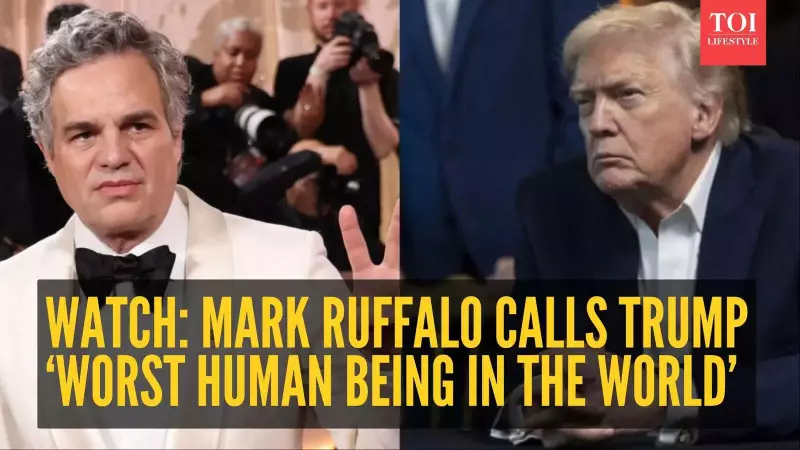
Hollywood actor Mark Ruffalo created a major political moment at the 83rd Golden Globe Awards on January 11, 2026. While celebrating his nomination for his performance in Task, Ruffalo used the red carpet spotlight to launch a blistering attack on former US President Donald Trump. The actor called Trump "the worst human being in the world" during his passionate speech.
The 'Be Good' Protest Movement Takes Center Stage
Ruffalo's comments connected directly to the #BeGood protest movement. This movement honors Renee Nicole Good, a Minneapolis woman fatally shot by a US Immigration and Customs Enforcement agent earlier that week. Ruffalo appeared on the red carpet wearing a monochrome Be Good lapel pin alongside fellow celebrities including Wanda Sykes, Natasha Lyonne, Jean Smart, and Ariana Grande.
"This is for Renee Nicole Good, who was murdered," Ruffalo told reporters present at the event. He then expanded his remarks into a broad critique of Trump's policies and leadership approach.

Ruffalo's Direct Accusations Against Trump
The actor made several specific allegations during his red carpet appearance. "We have a vice president who is lying about what's happening," Ruffalo stated. "We're in the middle of a war with Venezuela that we illegally invaded."
His criticism of Trump grew increasingly personal. "He's telling the world that international law doesn't matter to him," Ruffalo continued. "The only thing that matters to him is his own morality. But the guy is a convicted felon or convicted rapist. He's a paedophile. He's the worst human being in the world."
Ruffalo expressed deep concern about Trump's influence. "So if we're relying on this guy's morality for the most powerful country in the world, then we're all in a lot of trouble," he concluded.
Why Ruffalo Chose to Speak Out
The actor explained his decision to combine celebration with political commentary. He stressed that while he came to celebrate his career achievement, he could not remain silent given what he called extraordinary national turmoil under Trump's leadership. Ruffalo referenced US military actions, immigration enforcement, and what he described as Trump's disregard for international norms.
"So this is for her," Ruffalo said, returning attention to his protest pin. "This is for the people in the United States who are terrorised and scared today. I know I'm one of them. I love this country and what I'm seeing here happening is not America."
Mixed Reactions Across Media Platforms
The remarks sparked immediate and widespread debate across social and news media. Supporters praised Ruffalo for using his visibility to highlight grief, fear, and political urgency. Many connected his comments to broader concerns about accountability, power dynamics, and the responsibilities of public figures during crises.
Meanwhile, detractors dismissed his language as extreme and inappropriate for an awards show setting. Critics argued that such platforms should focus on entertainment rather than politics. Some specifically objected to his personal attacks on Trump, framing them as provocative rather than constructive.
Celebrity Activism in Contemporary America
This Golden Globe moment highlights how entertainment and politics continue to intertwine in modern America. Awards ceremonies no longer remain insulated from global crises or public policy debates. Hollywood stars increasingly use their red carpet platforms to spotlight social justice issues ranging from climate change to human rights.
Ruffalo's frustration reflects broader currents in progressive circles where immigration policy, enforcement violence, and foreign interventions draw sustained criticism. His speech represents one of the most unambiguous celebrity critiques of Trump at a major awards event in recent years.
The Larger Significance of Personal Tragedy
Beyond the headlines, this episode demonstrates how personal tragedy can catalyze broader political expression. The killing of Renee Good provided a platform for conversations about power, accountability, and justice at the Golden Globes. For Ruffalo, speaking up represented not just criticism of an individual but commentary on American moral leadership.

The actor's choice reflects pressures facing artists who feel compelled to use their stage for both celebration and conscience. What began as a glamorous film awards night appearance transformed into a charged political statement about violence and policy under the Trump administration.
The resulting debate continues to explore celebrity activism, morality, and the intersection of entertainment and politics in 2026.