Supriya Pathak Weighs In on India's Paparazzi Culture Debate
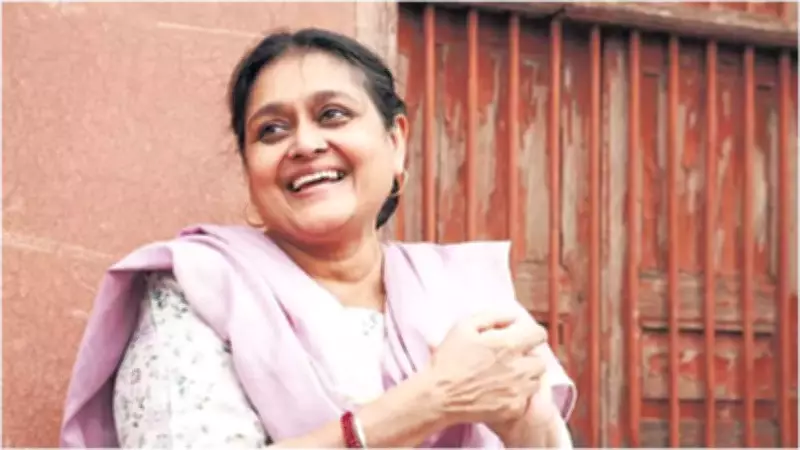
Veteran actress Supriya Pathak has entered the ongoing discussion about India's intense paparazzi culture, providing a grounded perspective following Jaya Bachchan's recent controversial remarks. In a candid interview, the acclaimed 'Khichdi' star reflected on how the digital age has dramatically amplified what she describes as the "temporary" nature of fame.
Comparing Digital Boom to Television Revolution
Pathak drew insightful parallels between today's social media explosion and the television revolution of the 1990s. "I personally feel that it's all momentary," she explained during her conversation with Bollywood Bubble. "I believe that in this phase, if you have real strength and talent, you'll last. Otherwise, you'll just move through things without leaving a meaningful mark."
The actress emphasized that this phenomenon isn't entirely new to the entertainment industry. "This has always been the case; it's not something unique to our current era. It's just more exposed now. Even earlier, any boy or girl could suddenly become a hero, and small films would start being made around them."

Historical Perspective on Talent Influx
Pathak recalled the transformative impact of television's arrival in India. "When television first emerged, everyone thought they could be actors. I remember my neighbor—she was a housewife—but even she believed she could become an actress. A similar atmosphere developed when television arrived, and the actual necessity for trained actors started to diminish."
She elaborated on how casual attitudes toward acting roles emerged during that period. "Anyone could be asked to play a role—people would casually say, 'Hey, there's a role, you should do it.' That attitude existed even then, though on a smaller scale, while today it's on a much larger, more visible level."
The Sustainability Question in Modern Entertainment
The veteran actress posed a crucial question about longevity in the industry. "But the real question is how many of those people actually lasted? They did one scene and disappeared. Maybe they got a few more opportunities, but not much beyond that. I believe only those who have real strength and genuine substance manage to sustain and move forward."
Pathak acknowledged the personal impact of constant public attention. "Everything else is temporary. Yes, it does interfere with your life, and that's why it can also trouble you significantly."
Sana Kapur's Contrasting Viewpoint
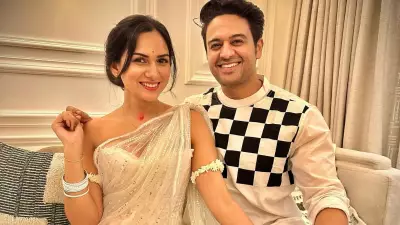
Speaking about the same topic, Pathak's daughter Sana Kapur offered a different, more contemporary perspective. "I don't know, I mean, I'm very young, so honestly, I enjoy the paparazzi culture," she admitted. "I actually feel good when someone takes my picture. But at the same time, I also understand that there's something called privacy."
Kapur made an important distinction between professional and personal boundaries. "Especially when you're an actor, you share your talent and acting abilities with the world—but that doesn't mean you want your personal life to be public everywhere."
She expressed particular concern about the treatment of celebrity children. "I find it quite dangerous when star kids are constantly followed around. I think a bit of distance should be maintained in that regard. At public or promotional events, of course, the presence of paparazzi is totally fine—that's part of the job. But when it comes to personal life, it would be much better if a certain level of privacy is respected."
Pathak's Illustrious Career and Recent Work
Supriya Pathak brings decades of experience to this discussion, having worked in numerous acclaimed films including Bazar, Masoom, Khichdi: The Movie, Wake Up Sid, and Satyaprem Ki Katha. Her most recent appearance was in Ajay Devgn's Raid 2, demonstrating her continued relevance in contemporary cinema.
Her commentary provides valuable historical context to current debates about fame, privacy, and sustainability in India's rapidly evolving entertainment landscape. As digital platforms continue to transform how celebrities interact with the public, voices like Pathak's offer crucial perspective on balancing exposure with artistic integrity.