In an era where democracy is celebrated as a beacon of freedom, the stark reality of election violence casts a long shadow over the sanctity of the ballot box. Across the globe, election workers and voters alike are increasingly forced to don bulletproof jackets, transforming polling stations into fortified zones. This alarming trend underscores the fragility of democratic processes in the face of political extremism, armed conflict, and societal polarization.
The Growing Threat to Electoral Integrity
Elections, the cornerstone of democratic governance, are intended to be peaceful expressions of popular will. However, recent years have witnessed a surge in attacks targeting electoral infrastructure, officials, and participants. From the United States to Kenya, reports of intimidation, physical assaults, and even assassinations have become disturbingly common. The need for bulletproof jackets is no longer confined to war zones but has infiltrated the heart of democratic practice.
Case Studies of Election Violence
- United States: The 2020 presidential election saw unprecedented security measures, with election workers receiving death threats and requiring personal protection. The Capitol riot on January 6, 2021, exemplified the extreme lengths to which some will go to disrupt the electoral process.
- Kenya: Post-election violence in 2007-2008 led to over 1,000 deaths and displacement of hundreds of thousands. Subsequent elections have been marred by sporadic attacks, prompting authorities to deploy heavy security and provide bulletproof vests to polling staff.
- India: In regions like West Bengal and Jammu and Kashmir, elections are often conducted under the shadow of militancy and political rivalry, with security forces on high alert to protect voters and officials.
Root Causes of Election Violence
Understanding why elections turn violent is crucial to mitigating risks. Key factors include:

- Political Polarization: Deep societal divisions, often along ethnic, religious, or ideological lines, can erupt into violence when electoral stakes are high.
- Weak Institutions: In countries with fragile rule of law, electoral processes are vulnerable to manipulation and intimidation.
- Armed Groups: The presence of militias, insurgents, or organized crime can disrupt elections to further their agendas.
- Disinformation: The spread of false information via social media can incite hatred and trigger violent reactions.
Protecting Democracy: Measures and Challenges
To safeguard elections, governments and international organizations have implemented various measures:
- Security Protocols: Enhanced physical security at polling stations, including metal detectors, armed guards, and bulletproof barriers.
- Training: Election workers receive training on de-escalation and emergency response.
- Legislation: Laws criminalizing intimidation and violence against electoral participants.
- International Observation: Presence of neutral observers to deter fraud and violence.
Despite these efforts, challenges persist. The cost of securing elections is high, and in resource-constrained settings, it can divert funds from other critical needs. Moreover, the psychological toll on election workers, who risk their lives for democracy, is immense.
The Role of Technology
Technology offers both solutions and vulnerabilities. Electronic voting machines and online voter registration can reduce human error and fraud, but they also face hacking risks. Blockchain-based voting systems are being explored for their security features, but widespread adoption remains distant. Meanwhile, social media platforms must combat disinformation while respecting free speech.
Global Perspectives: A Call for Solidarity
The international community has a stake in protecting democratic processes worldwide. Organizations like the United Nations and the African Union have deployed electoral assistance missions, but their impact is limited by sovereignty concerns and political will. Civil society groups play a vital role in monitoring elections and advocating for peaceful processes.

Success Stories
Not all elections are marred by violence. Countries like Ghana and Costa Rica have maintained peaceful transitions through strong institutions and civic engagement. These examples show that democracy can thrive when citizens and leaders commit to non-violence.
Conclusion: The Price of Freedom
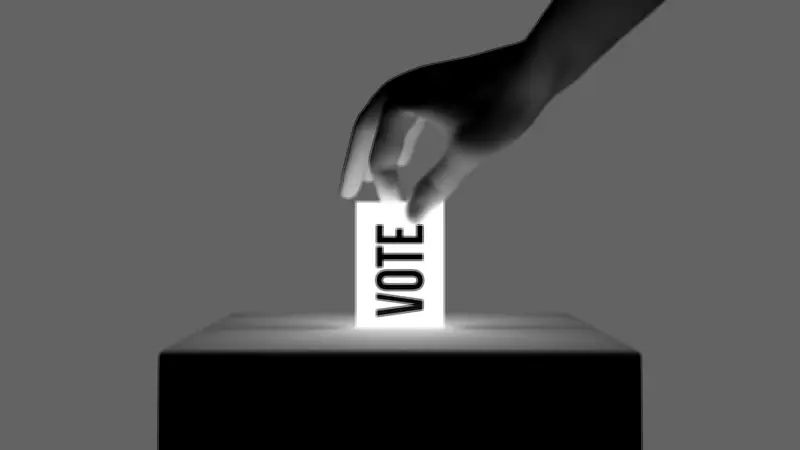
The image of a ballot box next to a bulletproof jacket is a powerful symbol of the sacrifices required to uphold democracy. As threats evolve, so must our defenses. But ultimately, the best protection for elections is a society that values dialogue over division, truth over propaganda, and peace over violence. The bulletproof jacket may shield the body, but only collective action can shield democracy itself.