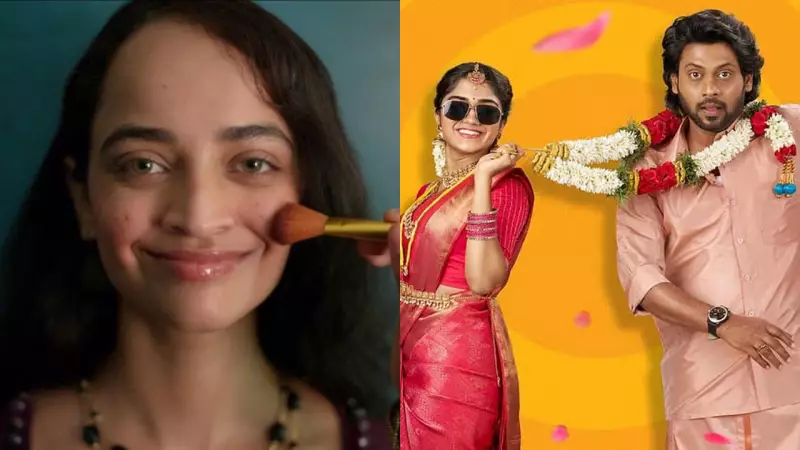
A fresh cinematic controversy is brewing on Indian social media, centering on two Tamil films now streaming on the same OTT platform. The romantic drama 'Aan Paavam Pollathathu', starring Rio Raj and Malavika Manoj, has found itself at the heart of a fiery online debate after being compared to the female-centric coming-of-age story 'Bad Girl'.
Divergent Paths: Box Office Success vs Critical Acclaim
The two films present starkly different narratives and receptions. 'Aan Paavam Pollathathu', which revolves around a newly married couple whose conflicts lead to a divorce case, was a commercial success in theatres. It drew packed houses despite receiving polarising reviews from critics and audiences alike.
While some viewers appreciated its storytelling, a significant portion heavily criticised the film for its perceived one-sided narrative. Many argued that the movie was heavily tilted in favour of the male perspective, with the female character being written as poorly developed, unintelligent, and overly submissive.

In contrast, 'Bad Girl' follows the life journey of its protagonist Ramya from her teens to her mid-30s. The film explores her relationships, personal choices, heartbreaks, and growth without passing moral judgement on either gender. Despite opening to glowing reviews for its mature and neutral approach, it struggled to find an audience during its theatrical run. The film gained wider appreciation and viewership primarily after its release on the streaming platform.
Social Media Sparks a Firestorm of Comparisons
The debate ignited when a post on the social media platform X (formerly Twitter) referred to 'Aan Paavam Pollathathu' as "the answer to Bad Girl". This comparison did not sit well with a large section of viewers, particularly fans of 'Bad Girl' who felt the two films were fundamentally different in their treatment of gender dynamics.
Many users expressed that while 'Bad Girl' approached its subject with maturity and neutrality, 'Aan Paavam Pollathathu' leaned into gender antagonism. The criticism was severe in some quarters, with one user labelling the latter "a YouTube-style incel film that goes out of its way to downgrade women". Others, however, came to the film's defence, stating it was merely a reflection of certain real-world relationship dynamics.
The argument quickly escalated into a broader cultural clash. One internet user commented, "Aan Paavam Pollathathu - a movie that talks about men's struggles, gets termed 'misogynistic'. Bad Girl - a movie promoting sleeping around, cheating, and degeneracy, is called 'inspirational'. Hypocrisy must be synonymous with feminism." This statement encapsulates the polarized nature of the online discussion, highlighting deep-seated disagreements about gender representation in modern Indian cinema.
Beyond the Screens: A Reflection of Societal Divides
This online fracas transcends a simple film review. It has morphed into a proxy debate about societal values, feminism, and the expectations placed on cinematic narratives. The contrasting fortunes of the two films—one a box office hit with divisive content, the other a critical darling that found its feet online—add another layer to the discussion about what resonates with audiences in theatres versus at home.
The core of the controversy lies in the perceived intent behind each film's narrative. Is one film providing a platform for a specific gender's perspective, or is it perpetuating harmful stereotypes? The social media battlefield shows no clear winner, but it has successfully put both films under an intense microscope, ensuring they are discussed, debated, and dissected by a wider audience far beyond their initial release cycles.