The Enduring Legacy of Wong Kar-wai's Cinematic Artistry
In the ever-evolving landscape of global cinema, few directors have carved out a niche as distinct and influential as Hong Kong's Wong Kar-wai. His films, characterized by their poetic visuals, fragmented narratives, and profound emotional depth, continue to resonate with audiences and critics alike, decades after their release. This exploration delves into the key elements that define his lingering art and its lasting impact on the world of film.
A Unique Visual and Narrative Signature
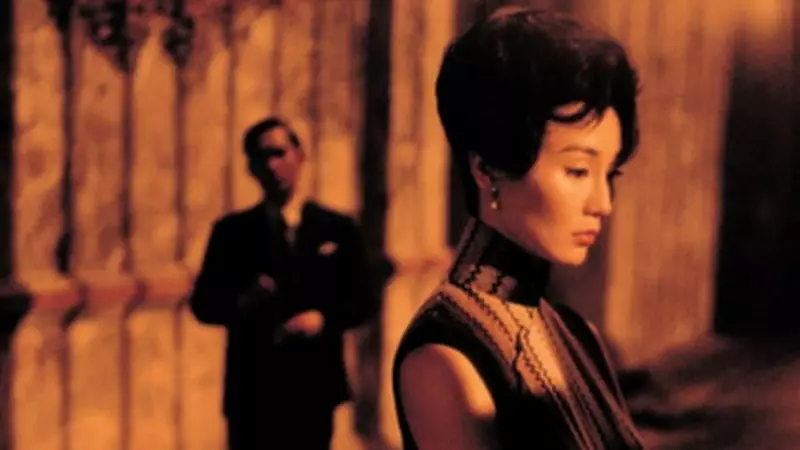
Wong Kar-wai's filmmaking is instantly recognizable for its innovative use of color, light, and composition. He often employs a palette of rich, saturated hues—such as the iconic reds and greens in "In the Mood for Love"—to evoke mood and atmosphere. His camera work, frequently handheld and dynamic, creates a sense of intimacy and immediacy, drawing viewers into the inner lives of his characters. Narratively, his films eschew traditional linear storytelling in favor of a more elliptical, impressionistic approach. Scenes are often fragmented, with time flowing in a non-chronological manner, mirroring the characters' memories and emotions. This technique, seen in masterpieces like "Chungking Express" and "2046," challenges audiences to engage actively with the narrative, piecing together the story from emotional cues rather than plot points.
Themes of Love, Loss, and Urban Alienation
At the heart of Wong Kar-wai's work are universal themes that explore the human condition with remarkable sensitivity. His films frequently center on love and longing, often set against the backdrop of bustling, impersonal cities like Hong Kong. Characters are portrayed as isolated figures navigating the complexities of modern life, their relationships marked by missed connections and unspoken desires. In "Fallen Angels," for example, the urban environment becomes a character in itself, reflecting the loneliness and disconnection of its inhabitants. This focus on urban alienation and emotional vulnerability has made his films particularly relatable in an increasingly globalized world, where many experience similar feelings of solitude amidst crowds.

Collaborations and Musical Integration
Wong Kar-wai's artistic vision is greatly enhanced by his long-standing collaborations with key creatives. Cinematographer Christopher Doyle has been instrumental in shaping the visual style of many of his films, using innovative techniques like step-printing to create a dreamlike, temporal distortion. Similarly, editor William Chang has played a crucial role in crafting the non-linear narratives that define Wong's oeuvre. Music is another vital component, with soundtracks that blend pop songs, classical pieces, and original scores to amplify the emotional resonance of scenes. The use of tracks like "California Dreamin'" in "Chungking Express" or the haunting score of "In the Mood for Love" not only sets the tone but also becomes integral to the storytelling, evoking nostalgia and yearning.
Influence and Legacy in Contemporary Cinema
The impact of Wong Kar-wai's work extends far beyond Hong Kong, influencing a generation of filmmakers worldwide. Directors such as Sofia Coppola, Barry Jenkins, and Quentin Tarantino have cited his films as inspirations, adopting elements of his visual style and narrative experimentation. His emphasis on mood over plot has encouraged a more subjective, experiential approach to filmmaking, particularly in indie and art-house circles. Moreover, his films have garnered critical acclaim and a dedicated cult following, with retrospectives and restorations keeping his legacy alive. In an age where cinema often prioritizes spectacle, Wong Kar-wai's focus on intimate, character-driven stories serves as a reminder of the medium's power to explore the nuances of human emotion.
In summary, Wong Kar-wai's lingering art lies in his ability to blend visual innovation with deep emotional storytelling. His films, though rooted in specific cultural contexts, speak to universal experiences of love, loss, and connection. As new audiences discover his work, his influence continues to shape the cinematic landscape, proving that true artistry endures through time.