Veteran actress Zeenat Aman recently took a nostalgic journey through her filmography, sparking a fascinating reflection on how Hindi cinema's portrayal of heroines transformed dramatically within just two years during her career peak. The legendary star turned back the clock to examine the significant evolution that occurred between her iconic movies Dostana and Teesri Ankh, revealing surprising insights about gender dynamics in Bollywood storytelling.
From Victim to Aggressor: A Two-Year Transformation
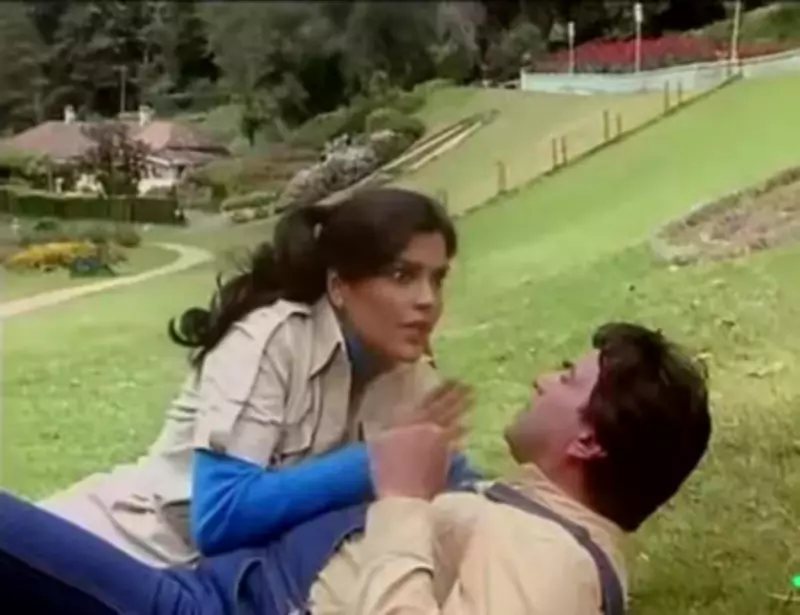
While revisiting scenes from her classic films, Zeenat Aman noticed something remarkable about her characters' progression. "A few weeks ago you watched me be eve-teased and slut shamed by Amitji's character in a clip from Dostana, this week you can watch me be the aggressor to Dharmji's character in Teesri Ankh!" she observed in her latest Instagram revelation. This stark contrast between the two roles, separated by merely twenty-four months, prompted the actress to question how rapidly cinematic representations could shift.
Examining the Gender Flip in Teesri Ankh
In her detailed analysis, Zeenat explained the unconventional dynamic of her Teesri Ankh character: "Did things really change quite that radically for Hindi cinema heroines in the two short years that passed between the two films? It's doubtful, but I do think this scene offers a nice gender flip on the usual trope." She described how her character Barkha subverted traditional expectations by becoming the pursuer while Dharmendra's Ashok played the reluctant target of her affections.

The actress elaborated on this role reversal: "Here Dharmji's Ashok is naive and imposed upon, while my Barkha is roguish and completely inappropriate! She aggressively pursues him, while he plays the reluctant and irritated object of her desire." This unconventional dynamic, while refreshing in its gender flip, still raised questions about healthy relationship portrayals in Indian cinema.
Problematic Romance Tropes in Bollywood
Zeenat Aman didn't shy away from critiquing the industry's tendency to glorify problematic behavior in the name of romance. She pointed out that "the reason why one scene seems delightful but the other one is infuriating is due to the traditional role reversal." The veteran star acknowledged that neither portrayal represented ideal relationship dynamics, stating clearly: "The truth is I can't endorse Barkha's approach, just as I couldn't endorse Inspector Vijay's!"
Acknowledging Industry Responsibility
In a moment of remarkable candor, Zeenat admitted her own participation in propagating unrealistic romance ideals through her films. "Now I recognise that I have played a part in propagating the ludicrous idea of romance that Bollywood has exported to Indians everywhere," she confessed. The actress expressed concern that "several of our films glorify obsession and limerence, instead of portraying real and healthy love," a trend she believes has influenced generations of viewers.
Her post concluded with a powerful message about modern relationship values: "So this is my two-bit effort to address it. Let me be clear, when it comes to relationships, consent is non-negotiable and respect has to flow both ways. Believe me, I learnt this the hard way." This reflection represents not just nostalgia but a meaningful critique of how Indian cinema has shaped societal perceptions of romance and gender roles over decades.
Zeenat Aman's thoughtful analysis provides valuable perspective on Bollywood's evolving representation of women, highlighting both progress made and problematic patterns that persist in mainstream Hindi cinema storytelling.