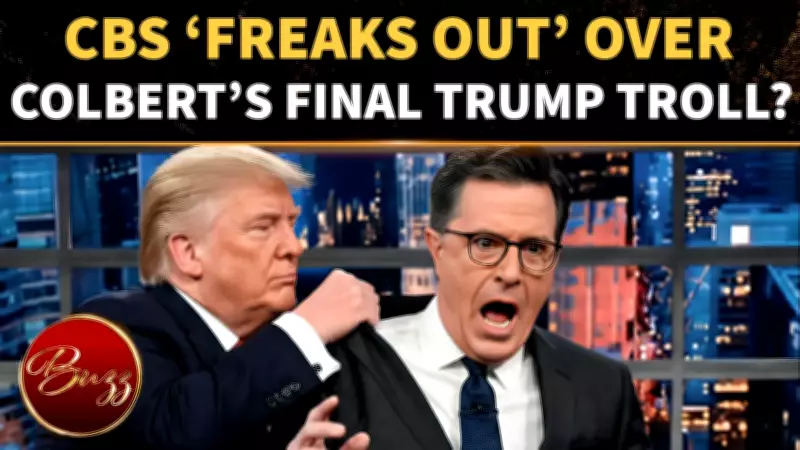
CBS and Paramount have sparked controversy after issuing copyright takedown notices on Stephen Colbert's post-Late Show appearance, only to later reverse the decision following online backlash. The viral episode, featuring jokes about Donald Trump and political satire, quickly spread across YouTube and public-access platforms, reigniting debate over censorship, media ownership, and creative freedom.
Background of the Incident
Stephen Colbert, host of The Late Show with Stephen Colbert, made a surprise return to television after a brief hiatus. During the episode, Colbert delivered a monologue filled with sharp criticism of former President Donald Trump, including jokes about his legal troubles and political ambitions. The segment was widely shared on social media and video platforms, drawing millions of views within hours.
Shortly after the broadcast, CBS and its parent company Paramount sent copyright takedown notices to several platforms hosting clips of the appearance, citing intellectual property violations. The move was met with immediate backlash from fans and free-speech advocates, who accused the network of censorship. Many pointed out that the takedowns targeted not only unauthorized uploads but also commentary and reaction videos that fell under fair use.

Backlash and Reversal
The controversy escalated as online users flooded social media with criticism, using hashtags like #LetColbertSpeak and #CBS Censorship. Prominent figures, including journalists and politicians, weighed in, accusing CBS of bowing to political pressure. In response, CBS and Paramount issued a statement clarifying that the takedowns were a technical error
and that they had restored all affected content. However, skeptics questioned the timing and intent of the action.
- Copyright Claims: The takedowns were initially filed under the Digital Millennium Copyright Act (DMCA), which allows copyright holders to request removal of infringing content. Critics argued that CBS abused this system to silence dissent.
- Media Ownership Concerns: The incident highlights the concentration of media ownership, with Paramount controlling major networks and studios. This raises questions about editorial independence and the chilling effect on satire.
- Creative Freedom: Colbert's show has a history of political satire, and the takedowns were seen as an attack on artistic expression. The reversal was welcomed but left lingering doubts about future censorship.
Reactions and Implications
The episode has reignited debates about the balance between copyright protection and free speech. Legal experts noted that while CBS had the right to enforce copyright, the broad application of takedowns could stifle commentary. Electronic Frontier Foundation (EFF) representatives criticized the move, stating that copyright should not be used as a tool for political censorship.
Meanwhile, supporters of Colbert celebrated the reversal but called for greater transparency. Some suggested that CBS's actions were influenced by Trump's history of threatening media companies. Others pointed to Paramount's business interests, including potential mergers and regulatory battles, as motives for avoiding controversy.
Broader Context
This is not the first time a late-night host has faced censorship. In 2024, NBC faced similar backlash for editing segments of The Tonight Show. The Colbert incident adds to a growing list of cases where media companies have been accused of suppressing political satire. As digital platforms become the primary outlet for such content, the tension between copyright law and free expression is likely to intensify.
The incident also underscores the power of online backlash. Within hours of the takedowns, petitions and campaigns forced CBS to backtrack, demonstrating the influence of grassroots activism. However, the speed of the reversal raised questions about whether the company acted in good faith or merely to avoid a PR disaster.

Conclusion
The CBS-Colbert controversy serves as a cautionary tale for media companies navigating the intersection of copyright, politics, and public opinion. While the immediate issue has been resolved, the broader implications for creative freedom remain unresolved. As Stephen Colbert continues his tenure on The Late Show, viewers will be watching closely for any signs of further interference.