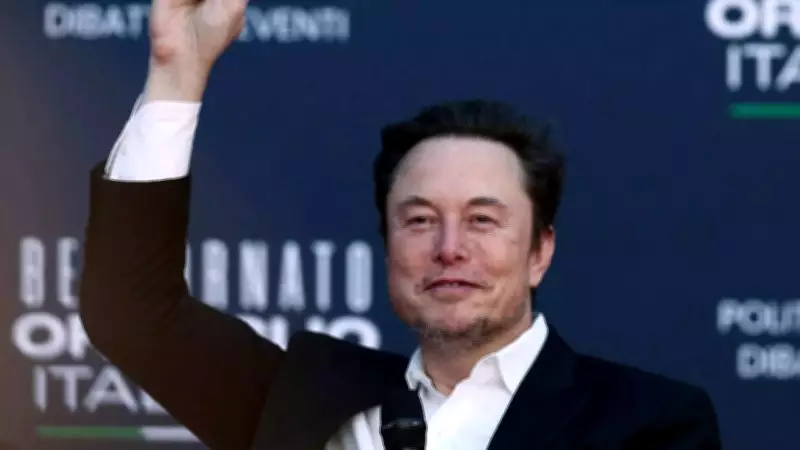
Some quotes are simple on the surface but stay in the mind long after because of what they quietly reveal about life, responsibility, and human relationships. This was exemplified by a statement made by Elon Musk when he spoke about parenting and the parent-child relationship: 'My children weren't born by choice. I had kids. They owe me nothing. I owe them everything.' This has ignited discussions around modern-day parenting, emotional responsibility, and what it means to raise children.
The Shift in Perspective
This statement is refreshing because it represents a change in perspective in a world where parents often anticipate children to follow specific paths, meet expectations, or carry family responsibilities. Rather than focusing on what children should give back, the quote places the responsibility squarely on the parents. It implies that parenting isn't a transaction but a responsibility that adults choose to take on when they decide to have a baby.
Why This Quote Feels Different
In many societies, parenting has traditionally been based on authority and expectations. Children are often told they owe their parents complete obedience because of the time, money, and effort invested in raising them. In many cultures, including Asian households, children are expected to repay their parents through success, financial support, or lifelong duty. Elon Musk's quote takes an alternative approach, emphasizing accountability on the part of the parent. It acknowledges that children are never asked to enter the world, so parents have the increased responsibility because they made that choice.

The idea is not that children should become disrespectful or careless of their parents. Instead, it reframes parenting as a role based on care rather than ownership. This change has been discussed increasingly by psychologists and family experts in recent years, especially as conversations about mental health and emotional well-being become more common.
Parenting as Responsibility Rather Than Control
One reason the quote caught on is that it challenges the idea that children are here to fulfill their parents' dreams. Many parents have expectations for their children without even realizing it—expectations about education, career, marriage, and lifestyle choices. Instead, the quote stresses unconditional responsibility, meaning that parenting is about giving support with no emotional strings attached.
This view is consistent with contemporary child psychology, which increasingly stresses the importance of emotionally safe environments for the child. It is said that children are more confident and emotionally stable when they are accepted rather than constantly evaluated. The quote also highlights the difference between guidance and control. Parents guide their kids through life, but eventually, kids grow into individuals with their own personalities, ambitions, and decisions.
The Emotional Weight Behind the Statement
The sentence is short but emotionally deep because it admits vulnerability in parenting. Raising children is a sacrifice, and one that is seldom predictable. Parents invest time, energy, money, and emotional care, but there is no guarantee of results. This reality is embraced openly by the quote. In other words, love for children should not be founded upon future rewards, achievements, or gratitude.
That is why the statement has resonated with parents across generations. Some saw it as a reminder that parenting is fundamentally about giving, not expecting. Others saw it as a significant statement on emotional freedom for children. Many adults grow up with guilt or pressure about not meeting their parents' expectations. That quote releases the burden of that duty.
How Modern Parenting Conversations Are Changing
Parenting discussions have changed considerably over the last decade. The emergence of social media, psychological research, and evolving social structures has led people to take a closer look at family relationships. There is more focus on things like gentle parenting, emotional intelligence, and respectful communication. These approaches encourage parents to view children as individuals with emotional needs rather than simply as a means of asserting authority.

This larger conversation is part of what Elon Musk said. It shows a way of thinking where parents are viewed as more than just providers, but as emotional anchors, responsible for the creation of healthy environments. Experts also note that parenting is still complicated at the same time. All family structures are different. Different styles of parenting are influenced by financial realities, cultural traditions, and personal experiences. The quote is thus less a hard-and-fast rule and more a point of view that makes one think about the way we see relationships between parents and children.
Why the Quote Became Widely Discussed Online
Parenting is such a personal experience that any statements about it online are likely to elicit strong reactions. Following the quote's reemergence online, many users shared their own childhood and parental relationship stories. Others praised the quote for acknowledging emotional responsibility. Some felt it captures the kind of parenting they wished they had when they were kids. There was also talk of balance. Some argued that while parents owe care and support to children, family relationships also involve mutual respect and appreciation over time. The reactions showed the depth of the lifelong effect of parenting on people. Even a few words can start larger discussions about love, sacrifice, expectations, independence, and emotional health.
Elon Musk and His Public Views on Family
Elon Musk has often spoken over the years about the importance of family and population growth. He has spoken publicly about concerns over falling birth rates in several countries and has often said that society should take parenthood more seriously. Yet at the same time, his comments on parenting sometimes reveal a softer side to the man best known as a technology entrepreneur with interests in rockets, electric vehicles, and artificial intelligence. This quote is important not because it is technological but because it is human. It is not about innovation or business; it is about emotional responsibility. The contrast may also help explain the statement's high profile. People are interested when public figures talk about universal human experiences in a direct and personal way.
The Psychology Behind Unconditional Parenting
Psychologists often argue that children flourish emotionally when they feel safe in their relationships with caregivers. Children who are emotionally secure grow up with confidence, social skills, and resilience. Children who are brought up to believe that love is conditional upon achievement or obedience may sometimes develop anxiety, fear of failure, or an inability to express their emotions openly. The quote represents the opposite approach. It suggests that parental care should be provided regardless of performance or repayment.
Developmental psychology research often emphasizes the importance of positive parenting contexts in which children experience themselves as being heard, valued, and emotionally safe. Such environments promote healthier relationships in adulthood. Experts also stress the importance of boundaries, discipline, and accountability at the same time. Parenting is not just about providing comfort; it also means teaching responsibility and helping children navigate the world realistically.
A Changing Idea of Success in Parenting
In the past, successful parenting was often measured by external markers. Good parenting was reflected in academic success, financial stability, career accomplishments, or social reputation. Today, many people are redefining this idea. Emotional well-being, mental health, communication, and happiness are becoming more important. The quote reflects this evolving definition. It suggests that parenting success may not lie in controlling outcomes but in providing support, understanding, and care throughout a child's development.
Why the Quote Resonates Across Generations
Interestingly, the quote strikes a chord with younger and older audiences, but for different reasons. For younger generations, it may appeal because it promotes emotional independence and relieves pressure to conform. For older generations, it could be a reminder of the sacrifices and duties that come with raising children. The statement works on multiple levels—personal, philosophical, emotional, and self-reflective. It also raises a larger question that many families are still trying to answer today: What do parents really owe children, and what do children owe parents? There may never be one answer that is right for everyone. But quotes like this still matter because they make people think more deeply about the relationships that shape human life from the very beginning.
A Quote That Continues to Spark Reflection
The reason this quote continues to attract attention is that it touches something deeply human. Parenting is one of the most personal experiences of life, but it is also influenced by culture, tradition, emotion, and changing social values. 'My children never asked to be born. I decided to have children. They owe me nothing. I owe them everything.' Elon Musk shows a parenting perspective that starts with responsibility, not expectation. Whether or not people agree with the statement fully, it raises an important discussion about love, accountability, and the changing relationship between parents and children in modern society.