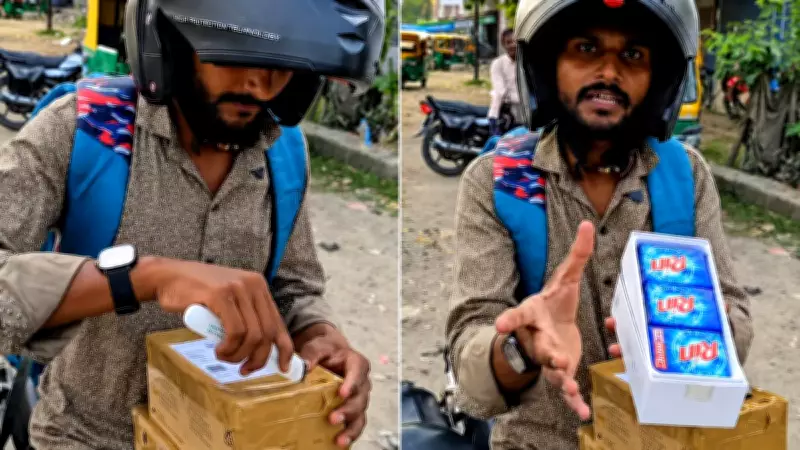
A man in India was left shocked after receiving a laundry soap bar instead of the Rs 35,000 smartphone he ordered online. The incident, which occurred in Uttar Pradesh, has sparked outrage on social media and raised concerns about e-commerce fraud.
What Happened?
The victim, identified as Ravi Kumar from Lucknow, ordered a high-end smartphone from a popular e-commerce platform. When the package arrived, he was surprised to find it unusually light. Upon opening, he discovered a single bar of laundry soap inside the box instead of the phone. Kumar immediately contacted the customer support team, but initial responses were unsatisfactory.
According to Kumar, he had paid Rs 35,000 for the phone via cash on delivery. The delivery was made by a third-party courier service. He recorded the unboxing as evidence and shared the video on social media, which went viral.

E-commerce Platform's Response
The e-commerce company issued a statement saying they are investigating the matter. A spokesperson said, "We take such incidents seriously. We are in touch with the customer and will take appropriate action against any fraudulent parties." The company assured a full refund or replacement once the investigation is complete.
Growing Concerns Over Online Shopping Frauds
This is not an isolated incident. Similar cases have been reported across India where customers received counterfeit products, empty boxes, or completely different items. According to a 2025 report by the National Cyber Crime Reporting Portal, online shopping frauds increased by 30% compared to the previous year. Experts advise customers to always record unboxing videos and verify the package weight before accepting delivery.
What Can Customers Do?
Consumer rights activists recommend checking the seal of the package and ensuring the delivery person allows inspection before payment. In case of fraud, customers should immediately file a complaint with the e-commerce platform and the local police cyber cell. Social media can also be an effective tool to escalate issues.
Kumar's case has prompted calls for stricter regulations on e-commerce deliveries. Many users on X (formerly Twitter) have shared similar experiences, demanding better accountability from online marketplaces.