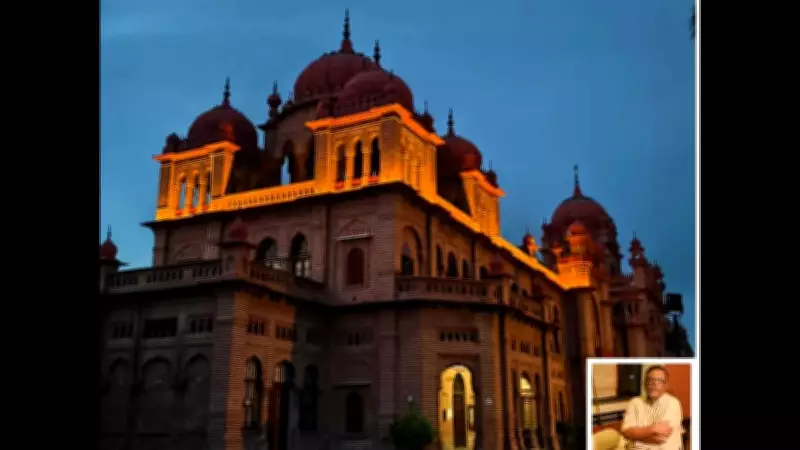
A Kolkata-based restorer, Mudar Patherya, is redefining how communities can reclaim and celebrate their architectural legacy. Having illuminated 125 heritage structures across Kolkata, including one in Darjeeling, dramatically altering the city's nocturnal character, he is now moving to Punjab to illuminate Khalsa College, one of Amritsar's most iconic institutions.
Transforming Kolkata's Nightscape
"Kolkata is a fascinating blend of colonial legacy and Indian ethos. Illumination has the power to transform how we see it," says Patherya, who focuses not just on aesthetics, but on reviving public engagement with the city's overlooked architectural assets—from grand colonial facades to quaint, archaic clock towers.
Expanding to Punjab
Encouraged by its success in Kolkata, the project is now crossing state borders. Work has begun on illuminating Khalsa College. The idea was sparked when Patherya received a photograph of the college and wondered why such a landmark remained unlit. A chance connection through cricket commentator Harsha Bhogle led him to the college administration. The project, he says, comes at no financial cost to the institution, apart from basic logistical support like accommodation for workers. With teams already on the ground, the illumination is expected to be completed within a month.

Boosting Tourism
Strategically located on a key route connecting the city to the Wagah Border, Khalsa College's lighting is expected to enhance Amritsar's tourism appeal. "We are tapping into the city's tourist flow and extending the experience beyond its known landmarks," Patherya explains.
A Message of Civic Pride
At its core, the initiative carries a simple yet powerful idea: civic pride need not be confined by geography. "You don't have to belong to a city to illuminate it," he says, underscoring the collective responsibility of preserving shared heritage.
Collaboration with College Administration
Dr. Atam Randhawa, college Principal, says, "Patherya's team collaborated with us for our opinion on implementing the project. We had a few conditions, like the heritage structure should not be damaged in any way, either through wiring, or lights as no holes can be drilled in the walls. Second, we wanted the project to amplify the legacy of this iconic building. Earlier, we were using flood lights to light up the structure."