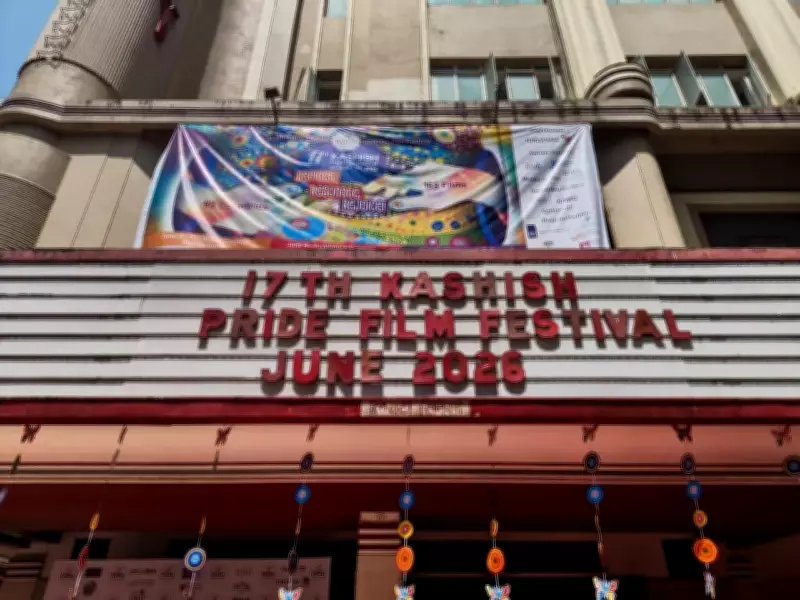
Mumbai: The 17th edition of the KASHISH Pride Film Festival kicked off on June 3 and will run until June 7, marking the start of rainbow month. As one of Asia's most prominent LGBTQ+ film screening events, the festival brings queer films and documentaries from across the world into the spotlight. This year, KASHISH is showcasing 153 queer films from 43 countries, along with several panel discussions and masterclasses across three venues in south Mumbai: Liberty Cinema, Alliance Francaise, and, for the first time, the National Gallery of Modern Art.
Mainstream Visibility and Representation
Founder and festival director Sridhar Rangayan stated, "KASHISH's foremost mission is to bring queer visibility and representation into mainstream cinema." This year, the festival attracted considerable attention from a range of artists in the mainstream film industry. One of the most well-known attendees at the inauguration was actor Konkona Sen Sharma, who was honored with the Rainbow Voices Award for her queer roles in mainstream films and on OTT platforms.
Focus on Spanish Cinema and Regional Films
Although this year's film festival focuses primarily on stories from Spain, featuring four feature films and 13 short films from the country, the number of regional films showcased has significantly increased compared to the previous year. Shekhar Sawant, a senior citizen who has attended the festival since its inception 17 years ago, expressed his admiration for the attention and love that KASHISH has garnered. He is pleased that regional documentaries and films are now being pushed to the forefront, noting that the festival has helped publicize such works. "If it had not been screened at the festival, I would not have seen the films at all," he said.

Mental Health and Community Support
Umang Sheth, founder of The Hugging Club of India, a queer mental health support group, appreciated that KASHISH screens queer films dealing with mental health, as they serve as a community-driven therapeutic outlet for expression. Kiran Bhat, a novelist and poet who has attended the festival since 2018, remarked, "We live in a time where to be queer and choosing to dissent is difficult, and it is important to have spaces where we as people, who live in different ways, can still coexist. I hope spaces like KASHISH continue to exist."