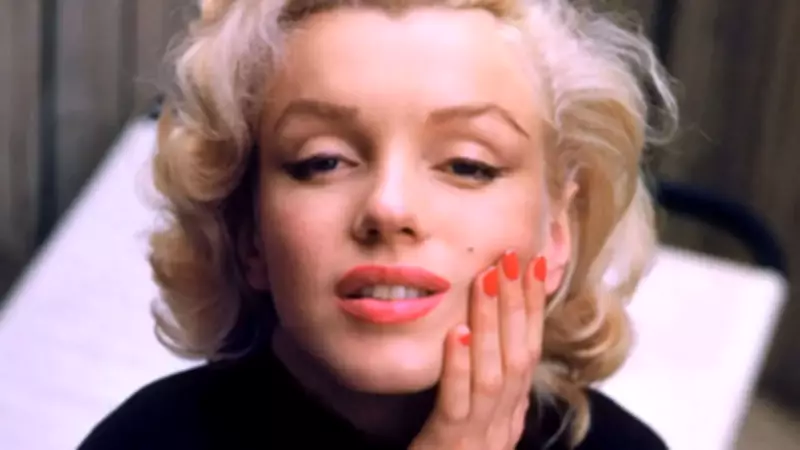
As Marilyn Monroe's 100th birthday rolled around, fans across the globe remembered the iconic star for her work and on-screen presence. Monroe had traversed a remarkable journey from being a foster child to becoming a Hollywood legend. Beyond her acting career, she was celebrated for her philanthropic efforts and for setting trends that empowered women in the industry.
Who Was Marilyn Monroe?
Monroe was born Norma Jeane Mortenson on June 1, 1926, in Los Angeles. Her childhood was marked by turbulence. Her mother, Gladys, placed Monroe with evangelical Christian foster parents Albert and Ida Bolender while she returned to the city for work. After her mother was diagnosed with schizophrenia and admitted to a state hospital, Monroe became a ward of the state and was sent to an orphanage. She married her neighbor shortly after her 16th birthday, but the union lasted only a few years. In 1945, after working in a factory to support the war effort, she quit and began modeling.
Despite the ups and downs of her early years, she persevered and entered the acting industry. In the late 1940s, after training as an actress, she secured minor roles in Dangerous Years (1947) and Scudda Hoo! Scudda Hay! (1948). She gained increasing attention with films such as The Asphalt Jungle and All About Eve. As her fame grew, she became known as a sex symbol. In 1954, while filming The Seven Year Itch, she performed a now-iconic scene: standing over a subway grate as a passing train blew her white dress upward. This moment remains one of the most memorable in cinema history, and fans continue to recreate it in tribute.

Marilyn Monroe's Life Beyond Acting
Beyond her acting career, Monroe was deeply engaged in the arts and philanthropy. She continued her acting training and developed a passion for reading literature on politics, art, and psychoanalysis. Reports indicate she often carried books in her car and bag, reading whenever possible. She was also viewed as a feminist icon; in 1954, she founded her own production company to gain more control over her work and contracts. Monroe passed away in 1962 at age 36, with the official cause cited as a drug overdose, ruled a probable suicide.
Disclaimer: If you or someone you know is struggling with suicidal thoughts, anxiety, depression, or mental illness, please seek professional help immediately from a doctor, mental health expert, or NGO. Helplines are also available.