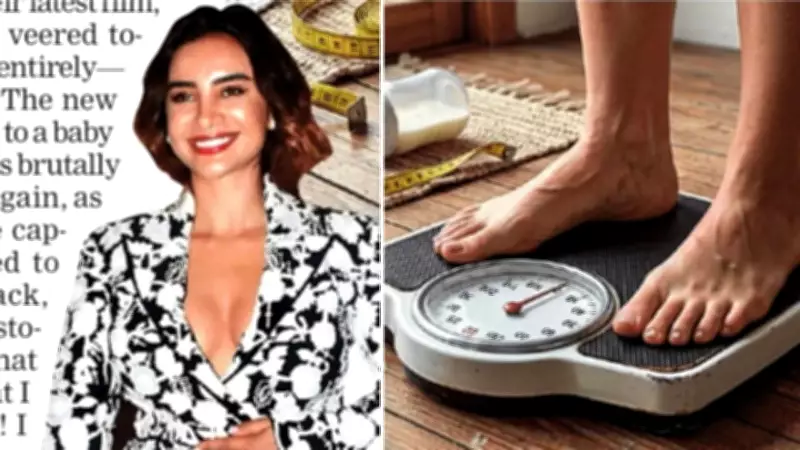
A recent wave of paparazzi photos and videos featuring Bollywood couple Patralekhaa and Rajkummar Rao sparked online debate, but not about their film. The conversation quickly shifted to Patralekhaa's figure, just six months after she gave birth to a baby girl. Trolled for weight gain with captions like "What happened to her???", she responded on social media: "What happened to me is that I have just given birth! I have not sat and eaten a mountain. I just delivered a baby and produced two films simultaneously, which is not an easy job..."
Her words resonated with many mothers who face similar scrutiny. While celebrities are often in the spotlight, ordinary moms also experience criticism. The pressure to "bounce back" after childbirth has intensified, fueled by influencers showcasing slim figures weeks after delivery, earning labels like 'yummy mummy' and 'hot mom'. Sucheta Pal, a maternal fitness educator, notes: "Every woman's body reacts differently to childbirth. Some can get back in shape in six weeks, others may take years. It is unfortunate that people still comment on it."
Emotional Scars That Linger
Such remarks can cause lasting hurt. Sunitha Desai, three months postpartum, was greeted by a childhood friend who pointed out how "huge" she had become. "I felt very hurt. How can one be so judgmental? Even if one thinks like that, one need not blurt it out. It is not funny," she says. For Desai, who underwent IVF to conceive, the comments worsened her vulnerability. Eight years later, she still feels angry. Though still overweight, she is content: "I had done a lot of strict dieting in my school and college days because of my family’s pressure to be thin. I lost weight, but also my immunity. I feel healthier now."

Delhi-based psychologist Upasana Chaddha Vij says women share comments about swollen noses, darker skin, and big bellies after birth. "They are advised to tie a belt or drink jeera water to lose belly fat. There is so much focus on appearance and no appreciation for the body that has created a life."
Pressure from Home
While online trolls are easier to ignore, comments from family cut deeper. Ahmedabad mom Rina Mehta (name changed), dealing with postpartum depression after her second child, faced hurtful remarks from her husband. "When we would go out, he’d point at other moms and tell me, 'See, they have become fit, you are still fat.' This used to pinch me a lot," she recalls. She enrolled in yoga and zumba due to the pressure. Mumbai mom Minal Patel experienced both skinny-shaming and fat-shaming. At marriage, she was taunted for being too lean; after childbirth, she weighed 80 kg and faced callous comments about weight gain. "I realised that women of any shape and size will be commented on. We just had to stop paying heed to idle people," she adds.
Impact on Mental Health
Vij explains that body-shaming deeply affects postpartum women already burdened by hormonal changes, identity shifts, and sleep deprivation. "It worsens the anxiety, guilt, and feeling of inadequacy that a new mom is already dealing with." She advises setting gentle but firm boundaries. "As a society, we need to move to a more compassionate and better understanding of postpartum bodies. Shifting the narrative from 'how quickly did you lose weight?' to 'how are you feeling now?' will make a meaningful difference."
Unrealistic Expectations
Mental and physical health experts note that women often have unrealistic expectations of themselves. "Can you expect to have the same body at 60 as you had at 16? Then why do we expect to have the same body after the baby as we did before the baby?" asks Pal, founder of Mom.Bod.Strong, a program focused on getting stronger, not slimmer. Pal's own experience led her to pivot from mainstream fitness to maternal fitness. "I was a wellness expert, so I assumed I would easily get back in shape. But I was in for a rude shock. I gained a lot of weight, and one day, when I was on stage teaching a live class, two months after my delivery, I peed in my pants. That day changed my thinking."

Currently on a multi-city tour educating women about postpartum fitness, Pal emphasizes that no woman can get back her pre-baby body because it changes during pregnancy. "Everyone who trolled Patralekhaa should go and touch their own mother’s feet. During pregnancy, a woman’s abdominal muscles stretch up to 115%. Her pelvic floor stretches 2.5 to 3.5 times, and her body can age by 4-5 years. But all we are worried about is weight loss. The goal should not be to have a flat belly, but to heal the body and lead a quality life that is ache and pain-free."
Desai wishes women would uplift each other. "When a neighbour delivered a baby, I sent her home-cooked meals for a few days. She was so touched. As moms, we already go through hell by shaming ourselves. We don’t need extra help from others."