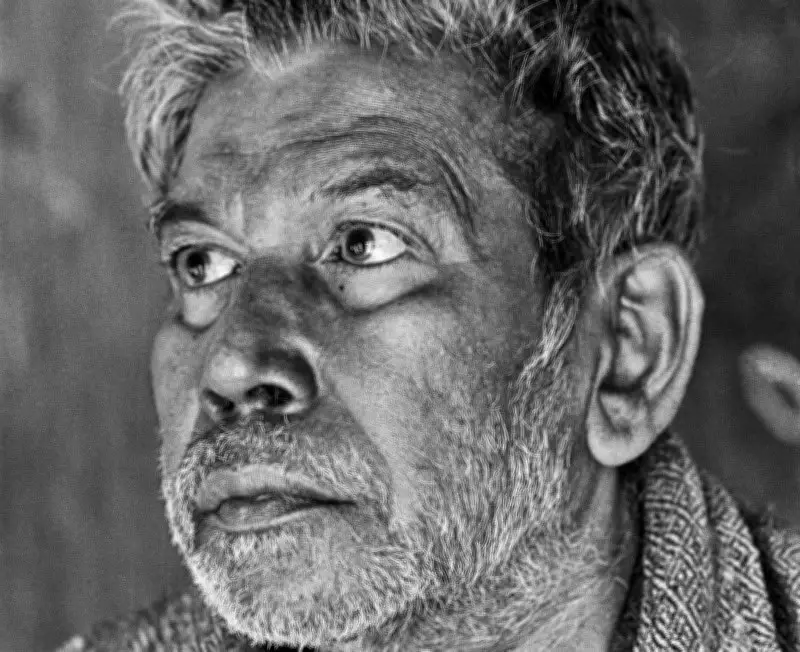
Ramkinkar Baij, often hailed as the father of modern Indian sculpture, remains a towering figure in the country's artistic landscape. Born in 1906 in a humble farming family in Bankura, West Bengal, Baij's journey from rural roots to international acclaim is a testament to his genius and perseverance. His works, characterized by a unique fusion of folk traditions and modernist aesthetics, continue to inspire generations of artists.
Early Life and Training
Baij's early exposure to the vibrant folk art of Bengal—terracotta temples, patachitra paintings, and rural motifs—deeply influenced his artistic vision. He joined Kala Bhavana at Santiniketan in 1925, where he studied under the guidance of Nandalal Bose and was mentored by Rabindranath Tagore. Tagore's emphasis on connecting art with nature and life resonated with Baij, shaping his philosophy of creating art that was both rooted in tradition and open to modern influences.
Mastery of Materials
Baij was a pioneer in experimenting with unconventional materials. While many sculptors of his time preferred bronze or marble, Baij worked extensively with cement, laterite stone, and even scrap metal. His iconic sculptures, such as the Santhal Family (1938) and Mill Call (1956), showcase his ability to infuse raw materials with a sense of movement and emotion. The Santhal Family, depicting a tribal family walking with their belongings, is celebrated for its dynamic composition and social commentary.

Thematic Depth
Baij's works often portrayed the lives of ordinary people—farmers, laborers, and tribal communities—with dignity and empathy. Unlike many of his contemporaries who focused on mythological or elite subjects, Baij turned his gaze to the marginalized. His sculptures are not merely figurative; they tell stories of struggle, resilience, and hope. For instance, Mill Call captures the fatigue and determination of industrial workers, while Yaksha-Yakshi reimagines ancient fertility symbols in a modern context.
Legacy and Influence
Baij's influence extends beyond sculpture. He was also a prolific painter and printmaker, leaving behind a rich body of work that includes murals, watercolors, and sketches. His teaching career at Kala Bhavana nurtured talents like Satyajit Ray, who later acknowledged Baij's impact on his cinematic vision. Today, Baij's works are housed in major museums worldwide, including the National Gallery of Modern Art in New Delhi and the Victoria and Albert Museum in London.
Despite his acclaim, Baij remained deeply connected to his roots. He often said, "Art is not a luxury; it is the very breath of life." This philosophy is evident in every piece he created. As India continues to rediscover its modern art heritage, Ramkinkar Baij stands as a beacon of innovation and cultural pride.