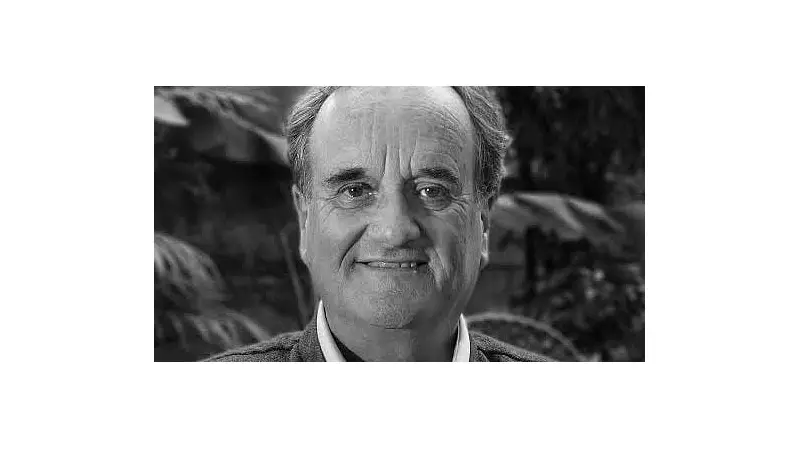
Sir Mark Tully, Iconic Voice of India, Passes Away in Delhi at 90
The world of journalism has lost one of its most revered figures with the passing of Sir Mark Tully, the veteran British-born journalist who made India his home and became a trusted voice for millions. He died in Delhi at the age of 90, leaving behind a legacy that spans decades of insightful reporting and deep connection with the Indian subcontinent.
A Life Dedicated to Journalism and India
Sir Mark Tully's career was synonymous with the BBC, where he served as the bureau chief in New Delhi for over two decades. His tenure from 1972 to 1994 saw him cover some of India's most pivotal moments, including political upheavals, economic reforms, and social transformations. Born in Calcutta (now Kolkata) in 1935, Tully's early life in India forged a bond that would define his professional journey.
After his formal retirement from the BBC, Tully continued to be an active voice in Indian media. He authored several books, hosted radio programs, and contributed columns to newspapers, always offering nuanced perspectives on India's complex tapestry. His deep understanding of the country's culture, politics, and people earned him widespread respect and admiration.

Contributions and Accolades
Throughout his illustrious career, Mark Tully received numerous accolades that underscored his impact on journalism. In 2002, he was knighted by Queen Elizabeth II for his services to broadcasting and journalism. He was also honored with the Padma Shri, one of India's highest civilian awards, in 2005, recognizing his exceptional contribution to literature and education.
His reporting style was characterized by a rare blend of objectivity and empathy, making complex issues accessible to a global audience. Tully's work often highlighted the human stories behind the headlines, from rural struggles to urban aspirations, cementing his reputation as a journalist who truly listened to India.
Legacy and Impact on Indian Media
Sir Mark Tully's passing marks the end of an era in Indian journalism. He was not just a reporter but a bridge between India and the world, offering insights that went beyond mere news coverage. His ability to contextualize events within India's historical and cultural framework set a high standard for journalistic integrity and depth.
In recent years, Tully remained a vocal advocate for ethical journalism, often critiquing the rise of sensationalism and partisanship in media. His legacy continues through the many journalists he mentored and the institutions he supported, inspiring a new generation to pursue truth with compassion and rigor.
The news of his death has prompted an outpouring of tributes from across the globe, with colleagues, politicians, and citizens remembering him as a humble yet formidable figure. As Delhi mourns the loss of one of its most distinguished residents, Sir Mark Tully's contributions to journalism and his love for India will be remembered for years to come.