The Silent Cost of Celebration: How Unlicensed Music Undermines India's Creative Ecosystem
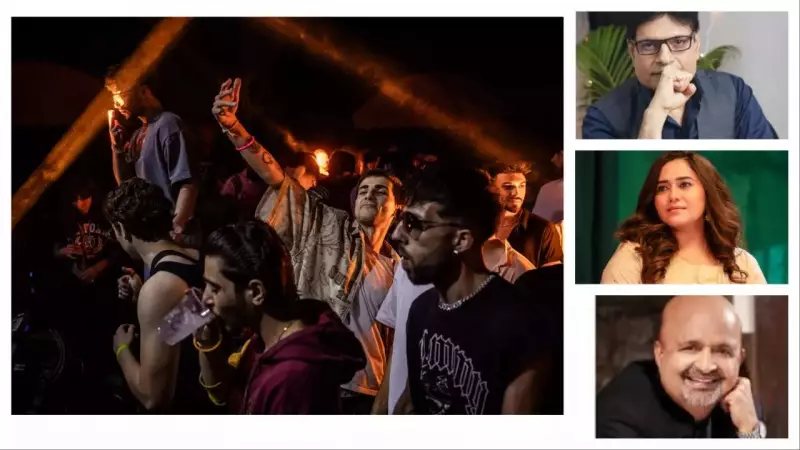
From the pulsating beats of New Year's Eve parties and the melodic backdrop of wedding season extravaganzas to the electrifying rhythms of DJ-led club nights and the sophisticated ambiance of hotel galas, music serves as the undeniable emotional engine of celebration across India. Songs possess the transformative power to alter venues, unite diverse crowds, and forge unforgettable moments that resonate long after the final notes fade and the lights dim.
Beyond Lost Revenue: A Question of Creative Respect
However, behind these vibrant shared experiences lies a pervasive and growing concern: a significant portion of this celebratory music is being played without proper licences. This practice effectively cuts the very creators—songwriters, composers, and lyricists—out of the ecosystem their artistic work sustains and enriches.
Renowned playback singer and lyricist Priya Saraiya articulates that the issue transcends mere financial loss. "I see music as central to how people connect, celebrate, and express themselves," she states. "Across concerts, clubs, hotels, and public spaces, the work of songwriters and composers is used extensively, often forming the backbone of shared experiences." She emphasizes that unauthorized use inflicts deeper damage. "It is fundamentally about respect for creative labour. Every song that fills a venue carries the contribution of creators who invested years, thought, and emotion into their craft. Overlooking licensing excludes them from the essential cycle of use and acknowledgement."

For creators, this unlicensed usage means their work fuels joy and celebration without due recognition or fair compensation. Priya Saraiya poignantly notes, "A song carries years of thought, emotion and labour. When it is used without permission, creators lose both recognition and income, even though their work is central to the celebration's success."
Eroding the Foundation: The Long-Term Industry Impact
Esteemed lyricist Sameer Anjaan echoes this concern, highlighting the detrimental long-term impact on India's music industry. "Songs live far longer than the events they are played at," he observes. "When music is repeatedly used without licences, it slowly weakens the very ecosystem that creates those songs in the first place." He issues a stark warning for the entertainment sector's future. "If the industry desires fresh voices and lasting cultural relevance, it must fundamentally rethink its approach. Creators must be treated as long-term partners, not as invisible background contributors. Licensing is not about one party or one event—it's about building a sustainable industry that respects and nurtures creativity over time."
The Crucial Role of Copyright Bodies
Organisations like the Indian Performing Right Society (IPRS), which represents songwriters, composers, and publishers, play a pivotal role in ensuring creators are compensated when their work is publicly performed. Poet and lyricist Irshad Kamil stresses that licensing is frequently misunderstood. "That is precisely why the role of organisations like IPRS becomes critically important," he explains. "They exist to ensure that creators are not forgotten when their music travels into clubs, hotels, festivities, and events."
Irshad Kamil clarifies that responsible licensing does not aim to stifle joy or celebration. "Awareness is not about stopping festivities; it's about making sure our rich culture is sustained by respecting the very people who create its soundtrack."
Courts Uphold Creators' Rights During Festive Peaks
According to Rakesh Nigam, CEO of IPRS, non-compliance remains alarmingly widespread, particularly during high-demand periods in India's live entertainment calendar. "Despite increasing awareness, many venues and establishments continue to use music without authorisation," he reports. "Peak festive periods, from Diwali to New Year, make this compliance gap especially visible."

He points to a consistent legal stance, noting that courts across major metros including Mumbai, Calcutta, Delhi, and Bengaluru have repeatedly upheld creators' rights. "These judicial rulings reaffirm a clear principle: music cannot be commercially exploited without proper licensing. The effort is not aimed at halting celebrations, but at ensuring that as India's live entertainment ecosystem grows, it does so in a lawful, transparent, and sustainable manner that supports its creators."
Dispelling Myths Around Event Licences
A persistent misconception complicating compliance is the belief that a general background music licence covers all uses. According to Ameet Dutta, Legal Counsel at IPRS, Indian courts have explicitly rejected this notion. "The Copyright Act, 1957—particularly Sections 13, 14 and 51—governs the public performance and communication of musical and literary works," Dutta explains. "Judicial orders have clarified that special events, DJ nights, New Year's Eve parties, and ticketed celebrations require separate, event-specific licences."
He adds that IPRS has intensified its vigilance, especially during festive seasons. "Our focus is proactively on compliance before infringement occurs. This is supported by robust repertoire verification, maintaining documentary evidence, and operating within court-recognised licensing frameworks to protect creators' rights."
The collective message from India's music creators is clear: for the industry to thrive, celebration must go hand-in-hand with compensation, ensuring that the artists who provide the soundtrack to our happiest moments are rightfully acknowledged and sustained.