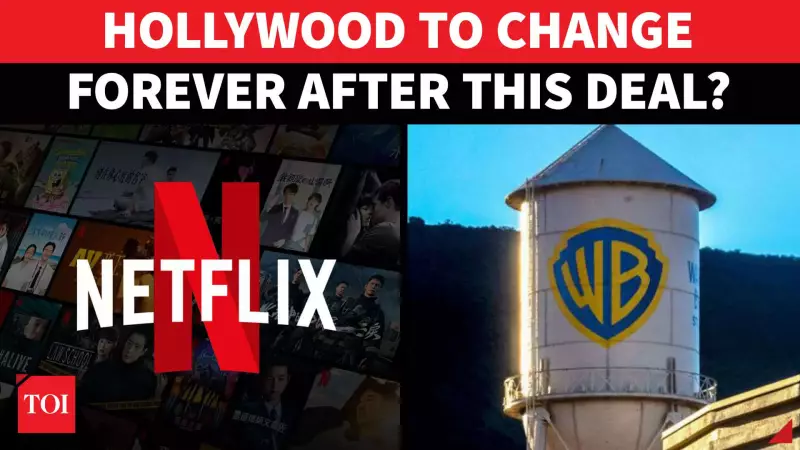
In a move that has sent shockwaves through the global entertainment industry, streaming giant Netflix has announced a monumental agreement to acquire the television, film, and streaming divisions of Warner Bros Discovery. The deal, valued at a staggering $72 billion, marks one of the largest media mergers in history and fundamentally reshapes the competitive landscape of streaming.
The Details of the Blockbuster Deal
The agreement, confirmed on December 6, 2025, culminates a fierce bidding war. Netflix ultimately outbid other major players, including a consortium of Paramount and Skydance, to secure the prize. This acquisition grants Netflix control over an unparalleled library of iconic franchises and intellectual property. Key assets now under the Netflix umbrella include the Harry Potter universe, the entire DC Comics slate (featuring characters like Batman and Superman), and the vast world of Game of Thrones.
Furthermore, the deal brings HBO Max's nearly 130 million subscribers directly into Netflix's fold, instantly boosting its global subscriber base to a dominant position. Combined, the two entities generate over $39 billion in annual revenue, creating a media behemoth with unprecedented scale and content firepower.

Immediate Impact and Antitrust Hurdles
This transformative merger immediately positions Netflix as the undisputed leader in the global streaming market. The consolidation of such a vast content catalogue—from Netflix's originals to Warner's legendary film libraries and HBO's prestige television—creates a service with arguably the deepest and most diverse offering available to consumers worldwide.
However, the path to completion is not without significant obstacles. Regulatory bodies in both the United States and Europe are expected to subject the deal to intense antitrust scrutiny. Authorities will closely examine whether the merger creates an unfair monopoly that could stifle competition, limit consumer choice, and inflate subscription prices. The approval process is likely to be lengthy and could involve Netflix agreeing to certain conditions or divestitures.
The Future of Streaming and Global Dominance
If approved, this acquisition signals a new phase of consolidation in the streaming industry. The "streaming wars" may evolve from a battle among numerous platforms to a contest between a few super-powered entities. For consumers, the immediate benefit could be access to a massive, unified content library under one subscription. In the long term, the reduced competition raises questions about pricing power and the diversity of creative voices.
For Netflix, the deal is a strategic masterstroke aimed at securing long-term dominance. By owning flagship franchises outright, it reduces its reliance on licensing content from other studios and locks in must-have titles for generations of viewers. The integration of Warner Bros Discovery's production capabilities and talent relationships also strengthens its ability to produce blockbuster content consistently.
In conclusion, Netflix's $72 billion gamble is more than just a corporate acquisition; it is a bold attempt to redefine the future of entertainment distribution. While regulatory challenges loom large, the deal, if successful, will create a content colossus with the power to shape viewing habits and industry trends for decades to come.