Tragic Drowning of Bengali Actor Rahul Arunoday Banerjee Shines Light on Beach Safety Crisis in Odisha
On March 29, the entertainment world was shaken by the tragic death of popular Bengali actor Rahul Arunoday Banerjee, aged 43. He drowned while filming for a television serial at Talasari beach in Odisha, an incident that has thrust the critical issues of safety, awareness, and accountability on the state's beaches into the spotlight. This event underscores a growing pattern of drowning incidents that have cast a dark shadow over Odisha's coastal tourism.
Alarming Statistics Reveal a Disturbing Trend
Frequent drowning incidents have become a grave concern for authorities and locals alike. According to recent statistics, between January and March of this year alone, six tourists lost their lives to drowning in Puri. In 2024, lifeguards managed to rescue 416 individuals from drowning, yet six fatalities occurred. The following year saw 445 rescues, but the death toll rose to 10, indicating a worsening situation despite rescue efforts.
Negligence and Ignorance: Major Contributing Factors
Lifeguards on the ground point to widespread negligence as a primary cause of these tragedies. Tourists often disregard warning signs, venturing deep into the sea without proper caution. Compounding this danger is the consumption of alcohol, which impairs judgment and increases risk. Prasana Reddy, a dedicated lifeguard, shared his observations: "We frequently encounter people who are intoxicated, laughing and recklessly running into the waves. They fail to grasp how rapidly ocean conditions can change, putting themselves in grave peril."

Lifeguards: Unsung Heroes Facing Hostility
Many lifeguards in Odisha are drawn from the state's home guard wing, risking their own lives daily to save others. However, they often face hostility and indifference from the very people they aim to protect. A stark example occurred on October 28 last year, just before Cyclone Montha made landfall, when a lifeguard was assaulted by a tourist couple after advising them to avoid the rough sea. A colleague recounted, "They attacked him with slippers. We are here to safeguard them, yet sometimes they treat us as adversaries." This highlights the challenging environment these rescuers operate in.
The Invisible Threat: Rip Currents
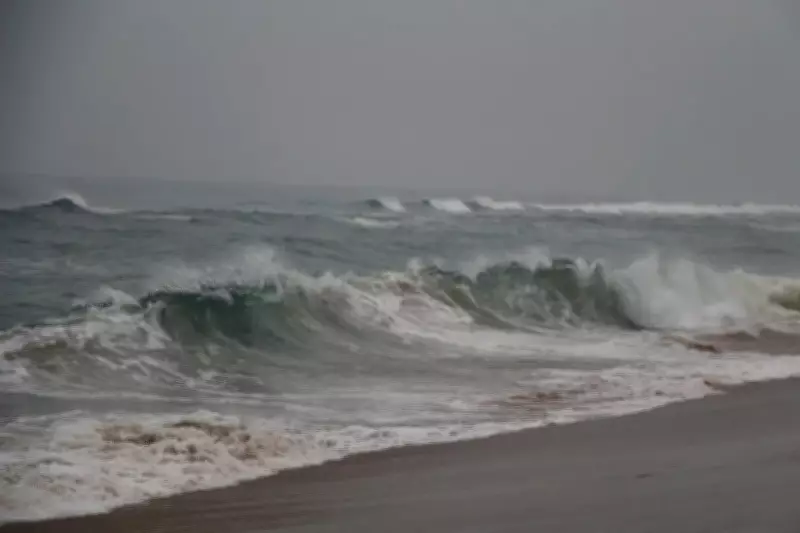
One of the most treacherous hazards on Odisha's beaches is the rip current—powerful, narrow channels of water that surge away from the shore, capable of dragging swimmers into deeper seas within seconds. Invisible to the untrained eye, these currents strike without warning, particularly during high tide. Appa Rama Rao, another experienced lifeguard, explained, "Rip currents function like conveyor belts. Swimmers may believe they are heading back to shore, but the current is actually pulling them farther out, leading to exhaustion and panic."
Government Response and Proposed Measures
In response to the escalating risks, the police and fire services directorate have acknowledged the need for enhanced safety protocols. IGP Umashankar Dash of the fire and emergency services stated, "We are planning to deploy additional lifeguards and strengthen our emergency response capabilities to better handle such incidents." Meanwhile, Puri SP Prateek Singh added that more warning sign boards are being installed and awareness campaigns are underway. "Our personnel are actively patrolling the beaches and preventing the consumption of liquor in these areas," Singh emphasized.
Voices from the Community: Calls for Stricter Regulations
Renowned sand artist Sudarsan Pattnaik has been vocal about the necessity for stricter laws. He asserted, "Individuals found drunk while bathing in the sea should face severe consequences to deter such reckless behavior." Pattnaik, known for using his sculptures to convey social messages, believes that robust regulation is essential to saving lives. Local hoteliers echo this sentiment. Debasis Kumar, a hotelier in Puri, expressed, "Losing a family member here is an unimaginable sorrow. We urgently need watchtowers, rescue water scooters like jet skis, and fines for irresponsible conduct to enhance safety."

Current Lifeguard Deployment and Challenges
Currently, 89 government lifeguards patrol a 3.3-kilometer stretch of Puri beach, divided into 14 sectors. They are equipped with rescue tubes, lifebuoys, seven rescue boards, a jet ski, and an all-terrain vehicle. Their coverage spans from Digabareni to Suv Palace (1.7 km), the Blue Flag beach (900 meters), and Niladri Beach (600 meters). Additionally, approximately 350 private lifeguards operate along other stretches, especially during festivals when crowds surge.
Despite these efforts, lifeguards remain stretched thin. One lifeguard noted, "We maintain vigilance from morning until evening, but the beach is vast, and many tourists ignore our warnings. On some days, we rescue up to 10 people." The absence of watchtowers complicates surveillance, with lifeguards arguing that elevated vantage points could help spot distressed swimmers earlier, potentially preventing fatalities.
Collective Call for Awareness and Government Intervention
Stakeholders across Puri agree that raising awareness is paramount. Tour operators, hoteliers, and local residents have initiated efforts to educate visitors about safe bathing practices. However, they stress that government intervention is crucial. Implementing stronger preventive measures—such as more trained lifeguards, modern rescue gear, clear signage, and stricter policing—could significantly reduce accidents.
Debasis Kumar summarized the dual responsibility: "Tourists visit Puri for enjoyment, and if we cannot ensure their safety, it will deter future visitors. Each drowning is a preventable tragedy. While the government must enhance safety protocols, tourists also bear responsibility for their own well-being by heeding safety advisories." This balanced approach is seen as vital for safeguarding both lives and the region's tourism industry.